

In a shocking revelation, Dr Rema Malik, a popular vascular surgeon, shared on her Instagram account a hidden risk of long drives: dangerous blood clots. The surgeon revealed that “prolonged sitting in a car shuts down your ‘second heart’ (your calf muscles), causing blood to slow and pool in your legs—the perfect environment for a clot.”
1️⃣ The 2-Hour Reset: For every 2 hours of driving, stop the car for 5 minutes. Get out, walk around, and do 20 calf raises. This is a mandatory reboot for your circulation.
2️⃣ Hydrate Relentlessly: Dehydration makes your blood thicker and more prone to clotting. Your drink of choice in the car must be water. Avoid excess caffeine and sugary drinks.
3️⃣ In-Car Activations: You don’t have to be a passive passenger. Every 30 minutes, do 30 ankle pumps (flexing your feet up and down). This keeps your ‘Second Heart’ engaged between stops.
Intrigued, we decided to reach out to Dr CM Nagesh, Medical Director and Senior Consultant Cardiologist at Cardea Super Specialty Hospital, to understand why these clots form, who is at risk, and how they can be prevented.
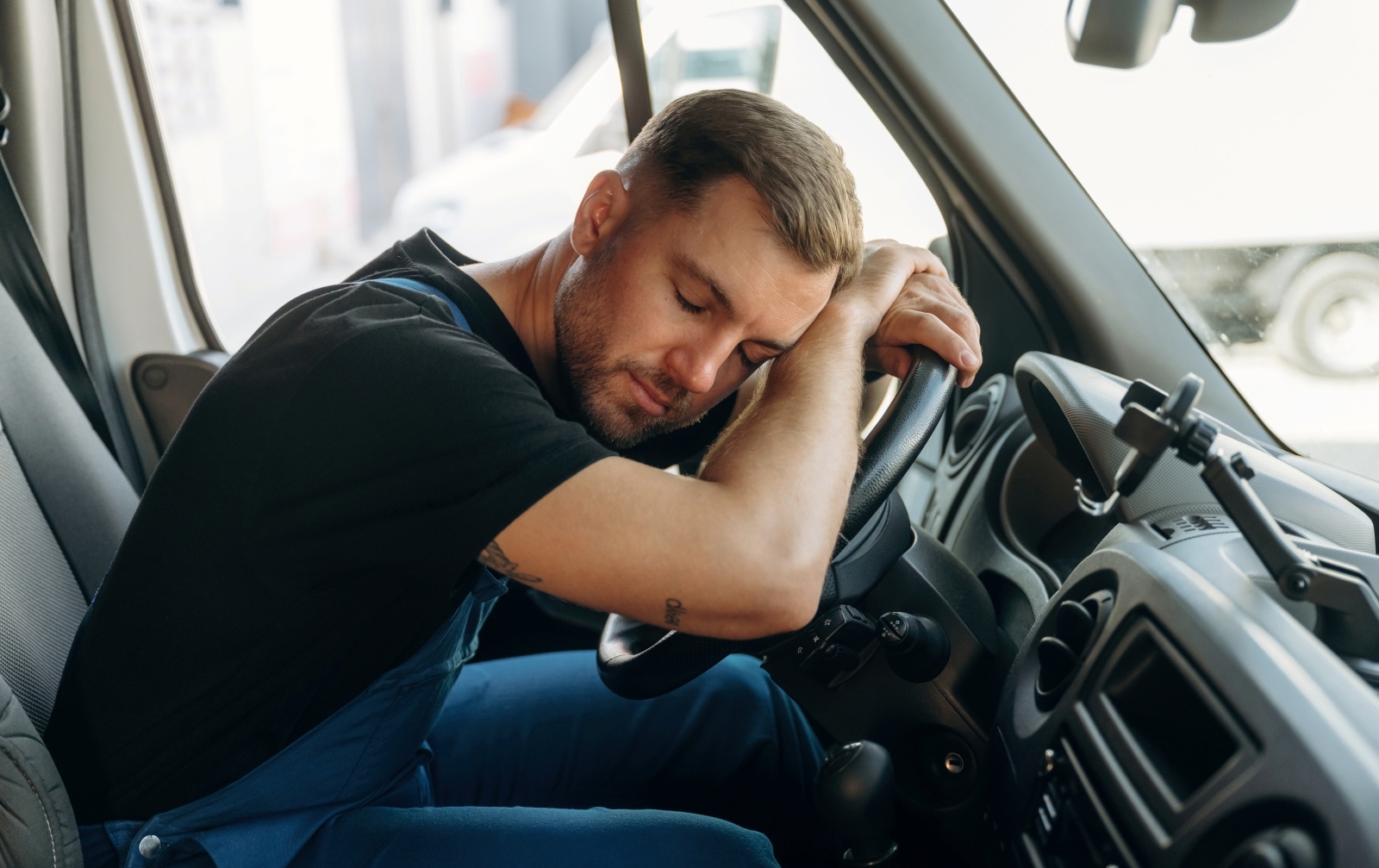 Cardiologists recommend that those who are at high risk of DVT should try to break up very long drives with an overnight stay rather than one extremely long continuous journey
Why does prolonged sitting, like during long drives, increase the risk of deep vein thrombosis (DVT) or blood clots?
Dr Nagesh explains that when a person sits for long stretches, slow or pooled blood flow in the veins exposes the legs to a perfect storm of risk factors for deep vein thrombosis (DVT). “The key mechanism is venous stasis,” he says. “When you sit still, especially with knees bent and feet not moving much, the calf muscle pump—which normally helps return blood from the legs to the heart—becomes inactive. This allows blood to pool in the deeper leg veins.”
Story continues below this ad
“There’s also mechanical compression,” adds Dr Nagesh. “The seat edge pressing against the back of the thigh or knee can compress veins and further slow blood return.” As blood sits idle, it increases the contact time between clotting factors and the vessel wall—raising the risk of clot formation. Even two hours of quiet sitting can increase what researchers call the “thrombotic tendency” in leg veins. He points out that dehydration, immobilisation, stress, and even time-zone changes can further thicken the blood and tip the balance towards clotting. “In short: long immobility = less muscle pump activity + less venous return + more stasis + higher clot risk”
How do calf muscles help prevent blood clots, and what happens when they’re inactive during long hours of driving?
The calf muscles, mainly the gastrocnemius and soleus, are often referred to as the “second heart.” They’re crucial in pushing blood from the legs back toward the heart. “With every step, these muscles contract and compress the deep veins, propelling blood upwards,” explains Dr Nagesh. “When they’re inactive, venous ejection drops, blood pools, and venous pressure builds.” Studies show that reduced calf-pump function (CPF) doubles the risk of venous thromboembolism (VTE). “So when you’re sitting for long hours in a car, you’re essentially switching off one of your body’s best defences against clotting,” he adds.
Who is at the highest risk of developing DVT, and what precautions should they take?
“Some groups carry a much higher baseline risk for DVT during long drives. Knowing who is in higher‑risk territory helps you tailor preventive strategies,” Dr Nagesh notes. He states the following people as more prone to DVT during long drives:
- Previous history of DVT or pulmonary embolism (PE)
- Known thrombophilia (e.g., Factor V Leiden mutation, protein C or S deficiency, antiphospholipid syndrome)
- Recent surgery or trauma, especially orthopaedic (hip, knee) or lower‑limb surgery
- Active cancer or recent chemotherapy
- Pregnancy or postpartum period
- Obesity (BMI ≥30)
- Age: older adults have a higher risk
- Varicose veins / chronic venous insufficiency
- Use of hormone therapy/oral contraceptives (in women)
- Prolonged immobility outside of driving (e.g., bed rest)
- Co‑morbidities such as heart failure, recent stroke, and inflammatory conditions
- Dehydration, smoking, and perhaps long durations of sitting/travel without movement
What exercises or movements are most effective for maintaining healthy circulation while travelling?
Dr Nagesh recommends following “evidence‑based movements and tips” to keep circulation flowing during long drives, especially aimed at leg‑venous health.
Story continues below this ad
Ankle pumps/flexion-extension: Move feet up and down. “Doing ankle flexion 30 times per minute for 5 minutes increased blood flow velocities in femoral/popliteal veins.”
Calf raises/heel lifts: Stand or do seated heel raises to contract calf muscles.
Leg extensions/knee lifts: Move knees/legs periodically to break static posture.
Walking/standing breaks every 1–2 hours: Step out, walk, shake legs to reactivate calf pump.
Story continues below this ad
Compression stockings: Moderate-grade (15–30 mmHg) reduce vein distension and improve flow.
Hydration: Prevents thicker blood and supports circulation.
Posture: Avoid crossing legs, keep feet flat, and reduce thigh compression.
He further suggests the following tips:
- Set a timer or reminder every 45‑60 minutes: stop, get out, walk 2‑3 minutes.
- While driving: every 10–15 minutes, if safe, pause the accelerator, lift heels/flex ankles, and repeat ~20 times per leg.
- At rest stops: do 10–20 calf raises, 10 knee lifts, walk briskly for a few minutes.
- If you know you’ll be sitting for >2h continuously (no rest stops), wear compression stockings and move your legs even while seated.
Dr Nagesh advises high-risk travellers to take frequent breaks, walk, and engage calf muscles every 30–45 minutes. He recommends wearing compression stockings, staying hydrated, and keeping the feet in a position that allows the calf muscles to work—heels down, toes up. “Watch for swelling, warmth, or pain, and consult a vascular specialist if needed,” he cautions.
DISCLAIMER: This article is based on information from the public domain and/or the experts we spoke to. Always consult your health practitioner before starting any routine.

Leave a Reply