
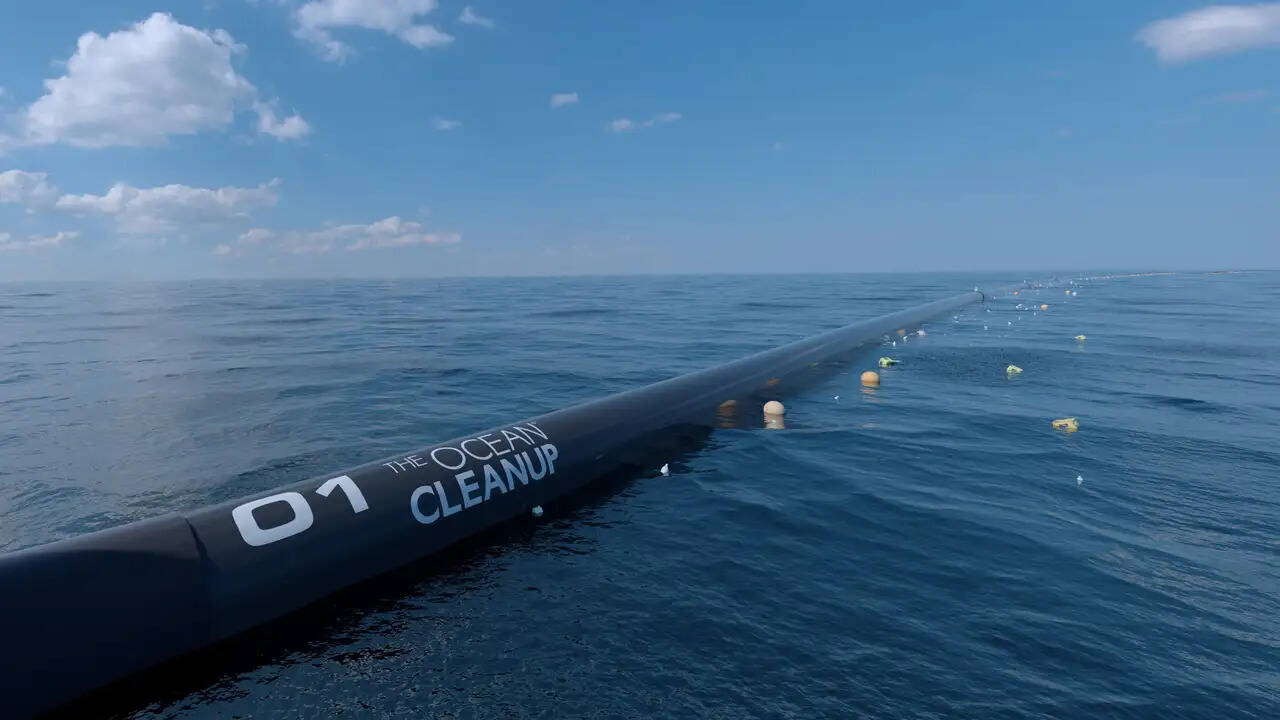
The Ocean Cleanup has launched its global 30 Cities Program in India, with Mumbai as its first on-ground intervention site. The initiative aims to prevent plastic waste from urban waterways from reaching the Arabian Sea and the Indian Ocean. This project is designed to serve as a scalable model for future efforts in other Indian cities.
Mumbai was chosen because it is identified as one of 30 cities worldwide that significantly contribute to river-based plastic emissions entering the ocean. To prepare for this intervention, The Ocean Cleanup conducted a comprehensive Smart Rivers Survey across the Mumbai metropolitan region.
The survey utilized drone-based monitoring, AI-enabled remote sensing cameras, GPS tracking devices, and data modeling tools. These technologies were employed to map pollution sources and analyze how plastic flows through the city’s waterways.
Survey data estimates that approximately 5 million kilograms of plastic waste flow annually from Mumbai’s waterways into surrounding marine environments. This pollution impacts nearly 220 kilometers of coastline and around 152 square kilometers of mangrove ecosystems.
The environmental consequences also include threats to over 100 protected marine and coastal species. Furthermore, there are potential risks to the livelihoods of communities dependent on fisheries and coastal resources. Research cited by the organization indicates that plastic constitutes a significant portion of marine litter found along India’s coastlines.
Based on the survey analysis, the Trombay and Malad waterways have been identified as priority intervention zones. The Ocean Cleanup plans to deploy river interception systems at these locations in 2026.
Once operational, these systems are projected to recover an estimated 61 to 92 tonnes of plastic waste annually. This will prevent the plastic from entering marine ecosystems. The initiative will be implemented in coordination with local municipal and environmental authorities. This ensures integration with existing waste management and regulatory systems.
The Ocean Cleanup’s research highlights that a small number of rivers globally are responsible for the majority of plastic entering the oceans. Through its 30 Cities Program, the organization aims to reduce global river-based plastic emissions by one-third. This is achieved by focusing on high-impact urban waterways.
India has been identified as a strategically important region due to the concentration of emissions from its key river systems. The Mumbai project marks a milestone in expanding river-based plastic interception efforts into South Asia.
The initiative combines data-driven analysis with targeted technological deployment. This creates a model that can be adapted to other high-impact cities. By stopping plastic at its source, before it reaches the ocean, the program aims to strengthen marine ecosystem protection. It also supports coastal communities and contributes to long-term environmental sustainability.


Leave a Reply