

4 min readNew DelhiUpdated: Feb 23, 2026 09:38 AM IST
If you live with high blood pressure, adventure sports like paragliding can raise an obvious question: Is it safe to fly? While hypertension doesn’t automatically ground you, cardiologists say the numbers — and how stable they are — matter more than people realise. According to Dr Divya Marina Fernandes, Consultant – Heart Failure Specialist & Interventional Cardiologist, Aster RV Hospital, Bangalore, there isn’t a single universal BP cutoff that medically “clears” someone for paragliding — but there are practical safety benchmarks.
“The medical community does not recognise any specific blood pressure measurement that can approve a person for paragliding activities, yet it is said that blood pressure measurements below 140/90 mmHg are a safe limit for recreational flying activities,” she explains. Ideally, for beginners or older adults, readings closer to 130/80 mmHg are preferred—and, more importantly, stable.
Paragliding combines excitement, altitude exposure, and adrenaline — all of which temporarily raise heart rate and blood pressure. For someone whose baseline BP is already high or fluctuating, that surge can increase the risk of heart strain, fainting, or even stroke. “People who take blood pressure medication can participate… when their condition remains stable, they experience no symptoms, and their doctor authorises them,” she adds.
When BP becomes a clear red flag
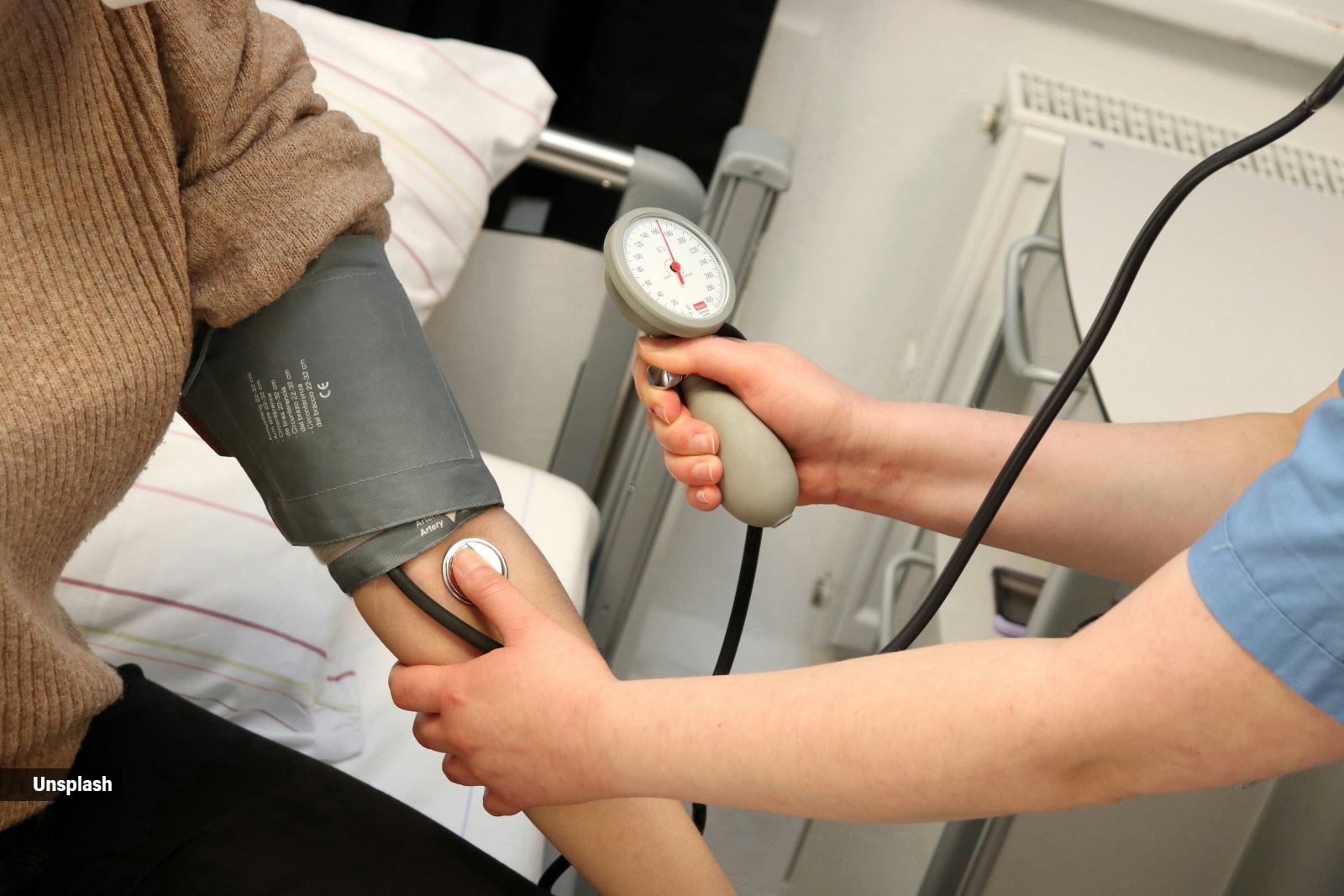 For paragliding, a person must maintain blood pressure levels between 130 over 80 and 140 over 90 millimetres of mercury for multiple measurements instead of achieving temporary control (Image: Freepik)
There are situations where paragliding should be avoided altogether.
“Paragliding should be avoided if blood pressure is 160/100 mmHg or higher… especially when persistent high blood pressure does not respond to medication,” says Dr Fernandes. This level falls under stage-2 hypertension, where the risk of heart attack, stroke, or sudden dizziness increases significantly — dangers that are amplified mid-air.
She adds that anyone experiencing chest pain, severe headaches, breathlessness, vision disturbances, or fainting spells should postpone flying. A recent hypertensive crisis, history of heart disease or stroke, or uncontrolled irregular heartbeat are also strong contraindications.
Why stability matters more than a single reading
Controlled hypertension does not automatically mean you are fit to fly. Dr Fernandes stresses that fitness depends on consistent readings, absence of complications, and symptom-free functioning.
Story continues below this ad
“A person must maintain blood pressure levels between 130/80 and 140/90 mmHg across multiple measurements,” she explains. There should be no dizziness, chest discomfort, breathlessness, or medication-related light-headedness. Adequate sleep, hydration, and avoiding alcohol before flight are also essential. Medical clearance is strongly advised to confirm the heart can tolerate altitude and adrenaline stress.
The physiological effects of paragliding are not trivial. Adrenaline spikes constrict blood vessels and push BP upward. Reduced oxygen at altitude forces the heart to work harder. For someone with unstable hypertension, symptoms like dizziness or blurred vision can impair judgment, balance, and reaction time — creating real safety risks during takeoff or landing.
Warning signs that should make someone postpone flying include fluctuating BP readings above 140/90, fainting tendencies, palpitations, unusual breathlessness, severe headaches, or simply feeling physically unwell that day.
Ultimately, Dr Fernandes emphasises that paragliding safety is less about chasing a perfect number and more about cardiovascular stability. If blood pressure is controlled, symptoms are absent, and a doctor confirms readiness, recreational flying may be reasonable. But unstable hypertension is a clear signal to stay grounded — because in the air, your heart has far less room for error.
Story continues below this ad
DISCLAIMER: This article is based on information from the public domain and/or the experts we spoke to. Always consult your health practitioner before starting any routine.

Leave a Reply