
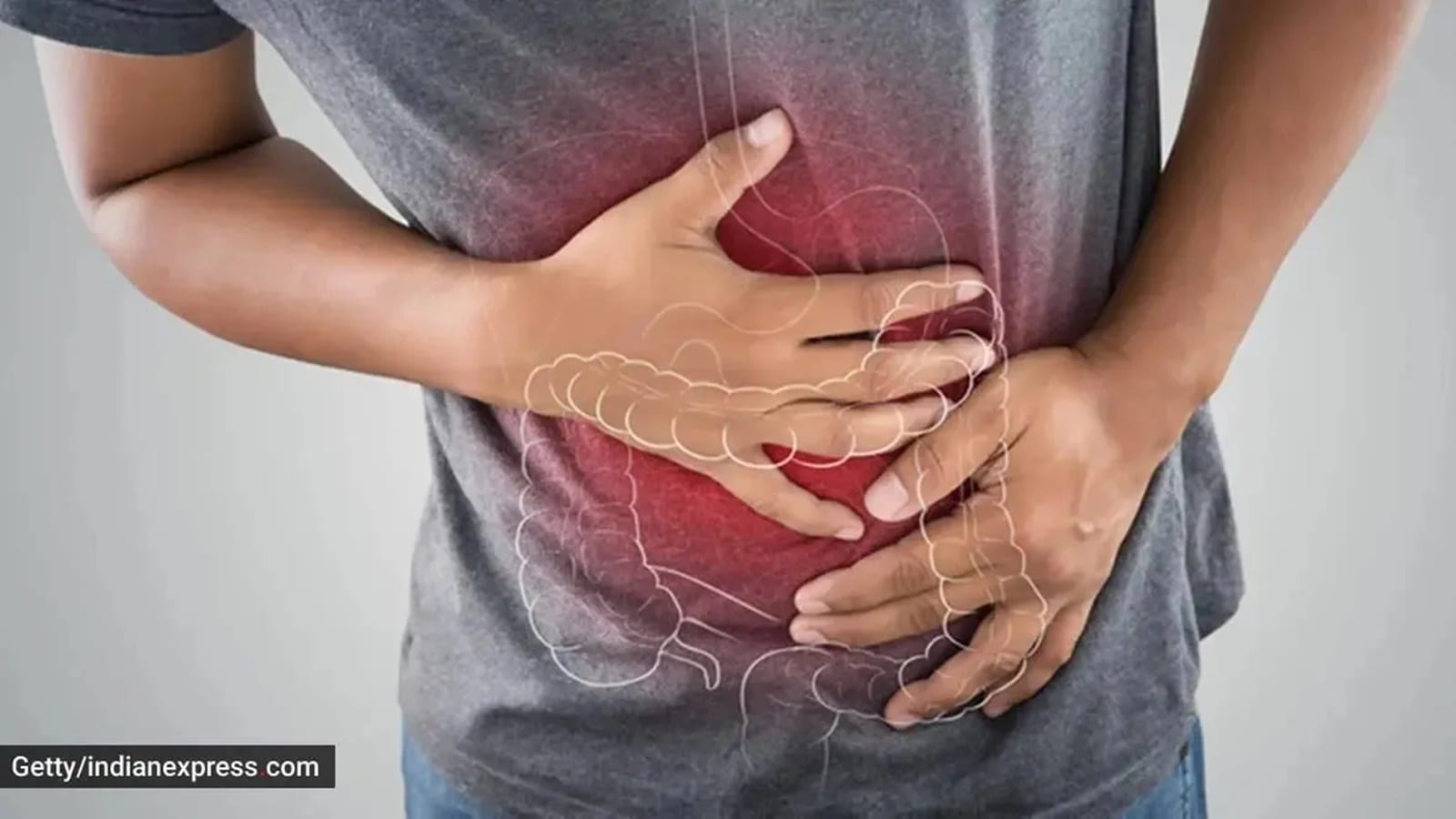
Doctors often emphasise the need for early treatment to avoid future complications. One such case was shared by gallbladder surgeon Dr Ismail Khan in an Instagram reel, where he noted how a patient ignored small gallstones that did not cause as much pain, and died two months later. “Because his ‘symptoms’ were nothing dramatic — just occasional bloating, acidity, fullness after meals, and once in a while a cramp-like pain that everyone called gas,” Dr Khan shared.
“Not textbook gallstone pain.
Not severe.
Nothing that ‘felt dangerous,’” he continued.
Last week, he came to the emergency with pain that felt like severe gastritis. “He had vomited twice. He was sweating,” said the patient while requesting the doctor for a gas medicine. “Doctor, bas gas hai… kuch strong de do.”
But something was different this time, Dr Khan shared. “The pain was radiating to the back — silent, deep, squeezing. His enzymes were sky high. It wasn’t gas. It was gallstone pancreatitis. The smallest stone — the one everybody said to ignore — slipped into the bile duct and blocked the pancreas. What started as “gas pain” turned into a massive inflammatory storm in his abdomen,” detailed Dr Khan.
Within hours:
BP dropped
oxygen levels fell
kidneys stopped responding
he slipped into multi-organ failure
Despite a high-end ICU, ventilator, dialysis, everything humanly possible…his body couldn’t survive the cascade, said Dr Khan.
A condition that could have been prevented with a simple day-care laparoscopic surgery took away a life, Dr Khan mentioned, adding that the “painful truth” is “more people die from untreated gallstones than from gallbladder surgery”.
Story continues below this ad
“Because people think small stones don’t matter.
Because people think gas = harmless.
Because people think, “let’s wait.”
And pancreatitis does not wait.”
 Here’s what an expert shared (Photo: Getty Images/Thinkstock)
Let’s understand if there is any truth to the claim that more people die from untreated gallbladder stones than from surgery.
Dr Arulvanan Nandan, HOD – General Surgery, KIMS Hospitals, Thane, concurred that the size of a gallstone does not determine how dangerous it can be. “In fact, small stones are often the most problematic because they can easily slip into the bile duct and block the pancreatic duct, triggering gallstone pancreatitis. This condition can escalate quickly and become life-threatening. Early symptoms can be misleading. Many patients dismiss bloating, acidity, or vague discomfort in the upper abdomen as ‘gas,’ but these are often the first signs of biliary colic,” said Dr Nandan.
The expert added that laparoscopic gallbladder removal is a routine, low-risk procedure performed worldwide with complication rates “very low when done electively”. “Untreated gallstones can lead to serious problems, such as acute cholecystitis, bile-duct obstruction, severe infection, or pancreatitis. These emergencies pose a much greater risk to life than the planned surgery itself. The reality is clear: ignoring symptomatic gallstones is much more dangerous than having surgery at the right time,” said Dr Nandan.
Story continues below this ad
Are most patients actually ‘asymptomatic’, or do they miss the early signs?
True asymptomatic gallstones do exist, but they are less common than people think. “Most patients do have symptoms; they just don’t recognise them as being related to the gallbladder,” stressed Dr Nandan.
Common early signs include
– recurrent bloating after meals
– acidity or indigestion, especially after oily food
– heaviness in the upper abdomen
– mild nausea from time to time
– a dull ache on the right side or in the centre
– repeated “gas-like” episodes with no clear trigger
These patterns often indicate biliary colic rather than simple acidity. When ignored, the shift from mild discomfort to a serious emergency can happen suddenly, said Dr Nandan.
What should you keep in mind to avoid complications like pancreatitis?
Any digestive discomfort that keeps returning, especially after heavy or fried meals, should be checked out, said Dr Nandan.
“A basic ultrasound can detect gallstones. If stones are present and symptoms persist, scheduled surgery is the safer option. Emergencies like pancreatitis can develop suddenly and are much harder to manage. Gallstones don’t need to be obvious to be dangerous. Catching them early can help prevent serious complications,” said Dr Nandan.
Story continues below this ad
DISCLAIMER: This article is based on information from the public domain and/or the experts we spoke to. Always consult your health practitioner before starting any routine.

Leave a Reply