
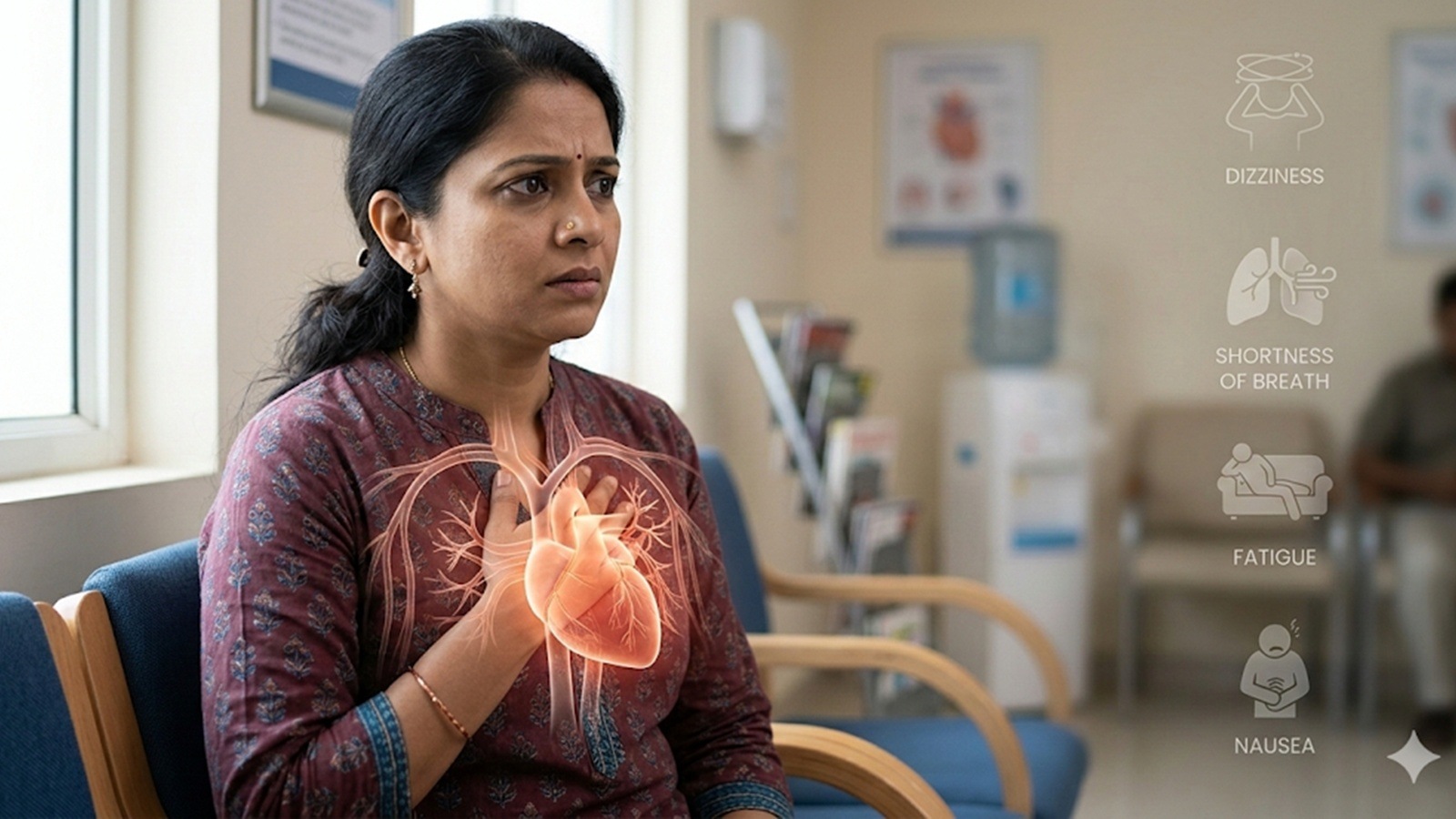
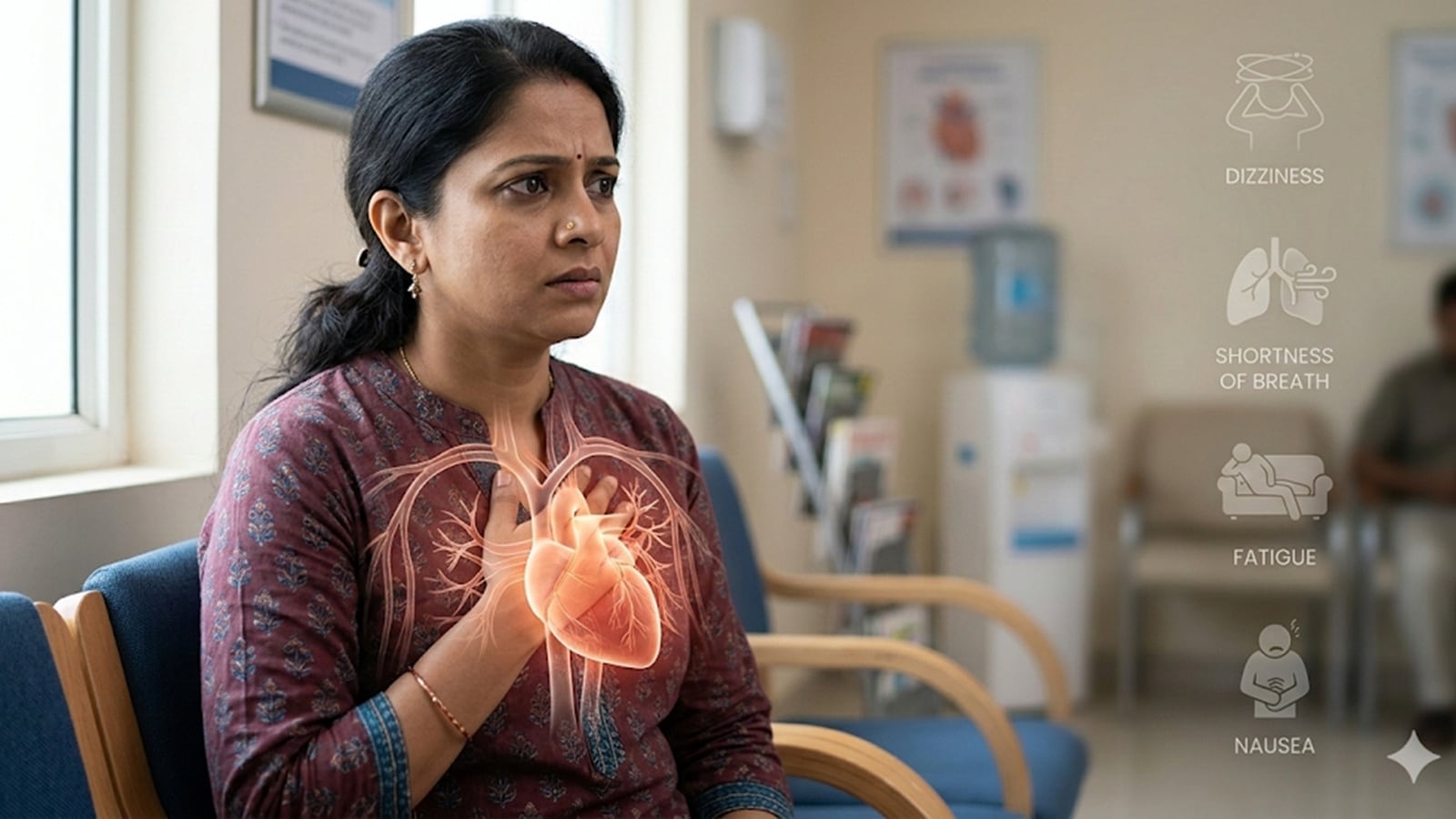
Cardiologist and heart-transplant specialist Dr Dmitry Yaranov recently shared important insights into women’s cardiovascular health in an Instagram video. Highlighting the need for greater awareness, he said, “There is one health fact that still surprises many people. Heart disease is the number one cause of death in women. Yet it remains underrecognised and often misunderstood. Here are eight facts every woman should know about her heart.”
He noted, “Heart disease is the leading cause of death in women. Despite this, it is still commonly perceived as a ‘man’s disease’.” This misconception can make it harder for women to recognise potential warning signs or seek medical attention early. Dr Yaranov also explained that heart attack symptoms can look very different in women. He explained, “Heart attack symptoms in women can look very different. Instead of crushing chest pain, women may experience nausea, unusual fatigue, dizziness, jaw pain, or shortness of breath.”
According to Dr Yaranov, “Heart attacks are often more dangerous for women. Women are more likely to die within the first year after a heart attack, partly because symptoms are recognised later, and treatment is delayed.” He also pointed out that heart disease itself can behave differently in women. Plaque may build up in the arteries in ways that are not always detected by traditional diagnostic methods. As he explained, “Heart disease behaves differently in women. Plaque can build differently in the arteries, which means traditional diagnostic tests sometimes miss it.”
Beyond physical factors, emotional well-being can also play a role. As Dr Yaranov noted, “Emotional health matters for the heart. Stress, anxiety, and depression have a stronger cardiovascular impact in women than many people realise.”
Hormonal changes can also influence heart health over time. Dr Yaranov explained that the risk of cardiovascular disease can increase after menopause because of changes in hormones that affect blood pressure, cholesterol levels, and vascular health. At the same time, he highlighted that women often face disparities in medical care. According to him, “Women are less likely to receive aggressive treatment. Studies consistently show women are less likely to receive procedures, medications, or even CPR compared with men.”
Despite these concerns, he also shared an encouraging message about prevention. As Dr Yaranov said, “The good news: most heart disease is preventable. A healthy lifestyle, risk factor control, and regular checkups can dramatically reduce risk. Your heart works for you every second of your life. Today is a good reminder to take care of it.”
Why does heart disease often present differently in women compared with men?
Dr Jagadish Hiremath, public health intellectual, tells indianexpress.com, “Heart disease can present differently in women because of variations in biology, hormones, and the way cardiovascular disease develops. Women are more likely to experience problems related to smaller blood vessels or microvascular disease, which may not produce the classic crushing chest pain that is commonly associated with heart attacks in men. Hormonal changes, particularly after menopause, also influence how cardiovascular risk manifests.”
As a result, Dr Hiremath states, women may experience more subtle symptoms such as unusual fatigue, breathlessness, discomfort in the neck, jaw, shoulder or upper back, or a sense of indigestion. Unfortunately, these symptoms are sometimes dismissed as stress or acidity, which can delay diagnosis and treatment.
Story continues below this ad
Greater awareness plays a crucial role in helping women recognise that heart disease does not always look the same for everyone. “Understanding the broader spectrum of symptoms encourages women to seek medical evaluation earlier rather than ignoring warning signs. Early recognition and timely medical care can significantly improve outcomes and reduce complications,” states Dr Hiremath.
Lifestyle habits and routine health checks that women should prioritise to reduce their long-term cardiovascular risk
A large proportion of cardiovascular disease can be prevented through consistent lifestyle habits and timely health monitoring. “One of the most important steps is maintaining a heart-healthy lifestyle that includes regular physical activity, a balanced diet rich in fruits, vegetables, whole grains, lean proteins, and healthy fats, and limiting processed foods, excess salt, and added sugars,” mentions Dr Hiremath.
Women should also prioritise maintaining a healthy weight, managing stress effectively, and ensuring adequate sleep. Dr Hiremath says, “Avoiding tobacco in all forms and moderating alcohol intake are equally important. These habits play a major role in controlling blood pressure, cholesterol levels, and blood sugar, which are key risk factors for heart disease.”
Routine health checks are another critical component of prevention. “Women should regularly monitor blood pressure, cholesterol levels, blood sugar, and body weight. Those with a family history of heart disease, diabetes, or hypertension may benefit from earlier and more frequent screenings. Periodic consultations with a healthcare professional can help identify risk factors early and allow for timely intervention, significantly reducing long-term cardiovascular risk,” concludes Dr Hiremath.
Story continues below this ad
DISCLAIMER: This article is based on information from the public domain and/or the experts we spoke to. Always consult your health practitioner before starting any routine.

Leave a Reply