
Vitamin B12 supplements are widely used for fatigue, nerve health, and deficiency-related concerns. However, with our fast-paced lifestyles and breakfast-skipping sprees, many people often pop supplements on an empty stomach. But is it safe? According to Dr Aravinda S N, Lead Consultant – Internal Medicine, Aster RV Hospital, vitamin B12 is one of the more flexible supplements when it comes to timing.
“Vitamin B12 can be consumed either with or without food, as the presence of food does not have a considerable effect on the absorption of the vitamin,” he explains. Since B12 is a water-soluble vitamin, it does not depend heavily on other nutrients in food for absorption. In fact, in certain forms, taking it on an empty stomach may work slightly faster. “By consuming it on an empty stomach, its effect may be slightly accelerated, mainly for chewable or sublingual tablets,” says Dr Aravinda. This is because there is no competition from other nutrients during digestion.
Who should avoid
However, empty-stomach intake does not suit everyone. “A few individuals might experience mild nausea or stomach discomfort with its intake on an empty stomach; therefore, having it post-meal can be a less irritating option for the stomach,” he notes. People with sensitive digestion often find it easier to tolerate the supplement with food. This is especially true for those with existing stomach conditions. “Those suffering from acid reflux, gastritis, or having a sensitive stomach usually find B12 easier to tolerate when taken with food,” Dr Aravinda adds.
While taking B12 on an empty stomach is generally safe, some mild side effects may occur. “A few people may have very mild side effects like nausea, stomach upset, bloating or a metallic taste. These effects are usually not very uncomfortable and go away soon,” he explains.
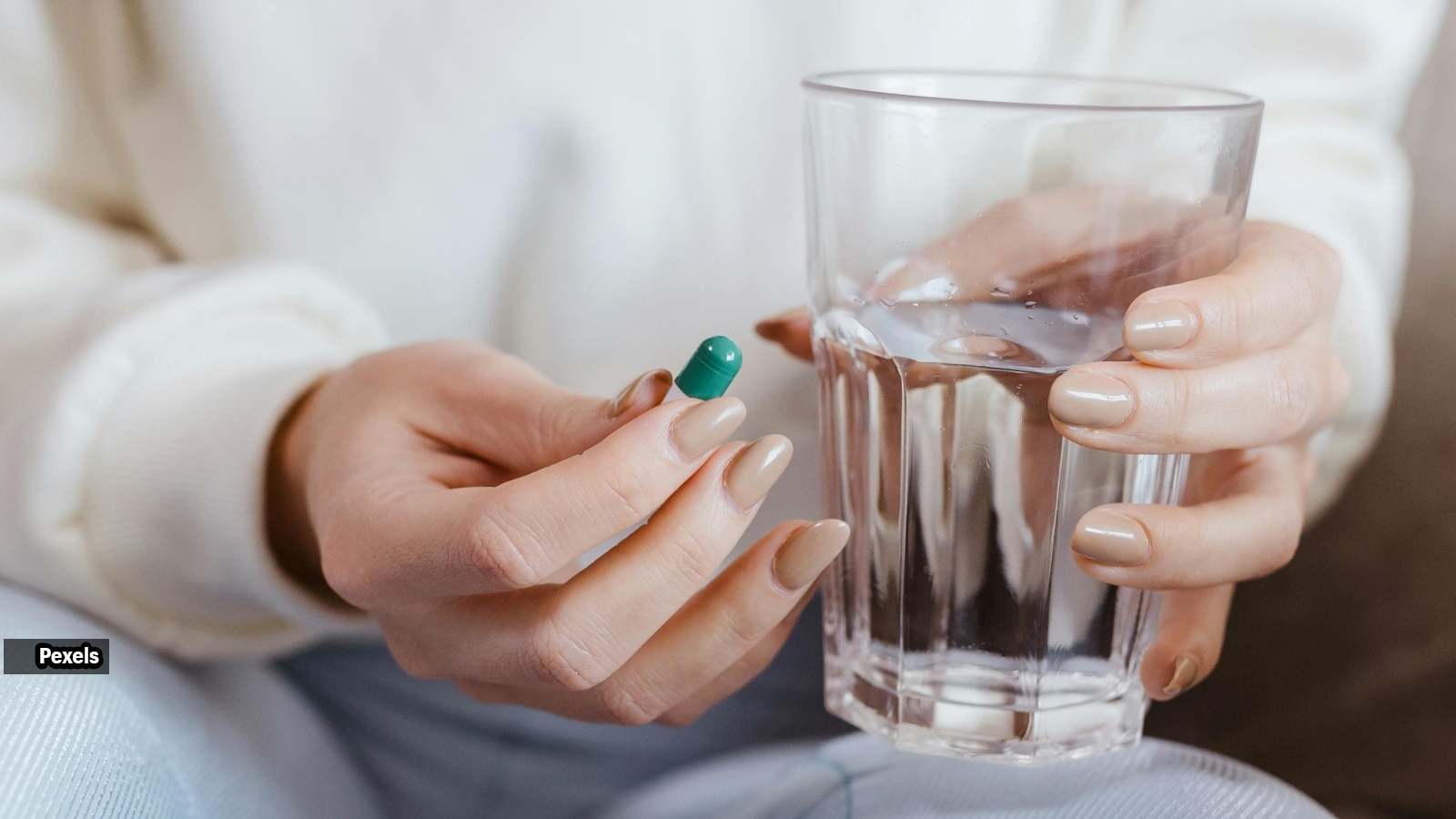
 Those suffering from acid reflux, gastritis, or having a sensitive stomach usually find B12 easier to tolerate when taken with food (image: pexels)
Who should be more cautious?
The risk of serious side effects remains low. “Since vitamin B12 is water-soluble, the body gets rid of the extra amounts through urine, so the risk of overdose is reduced,” says Dr Aravinda. In rare cases, headaches or dizziness may occur, but these are uncommon.
Nevertheless, certain groups should be more cautious. “People with acid reflux, gastritis, peptic ulcers and those with a sensitive digestive system may get nausea, acidity or irritation of the stomach when B12 is taken without food,” he cautions. Pregnant women with morning sickness or people taking multiple supplements may feel more comfortable taking B12 after meals, as per the medical expert.
Story continues below this ad
“Even though B12 is safe in itself, it can be improved by comfort and adherence when taken with meals. Anyone who has continuous symptoms should get in touch with a healthcare professional for personalised advice,” Dr Aravind concludes.
DISCLAIMER: This article is based on information from the public domain and/or the experts we spoke to. Always consult your health practitioner before starting any routine.

Leave a Reply