
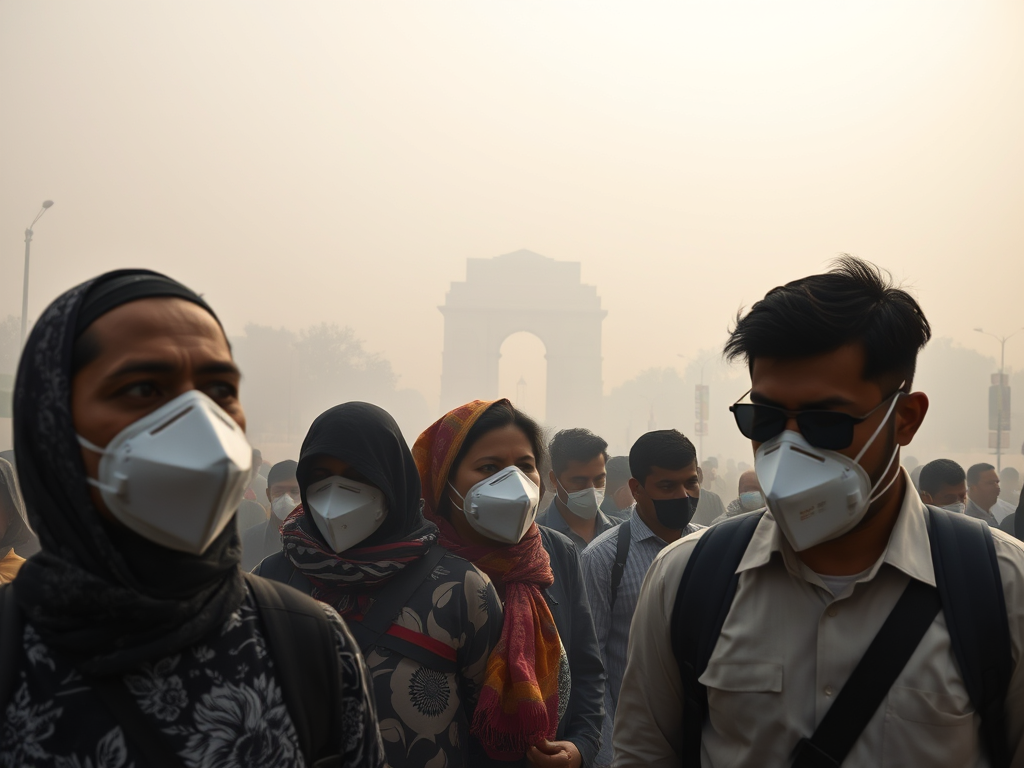
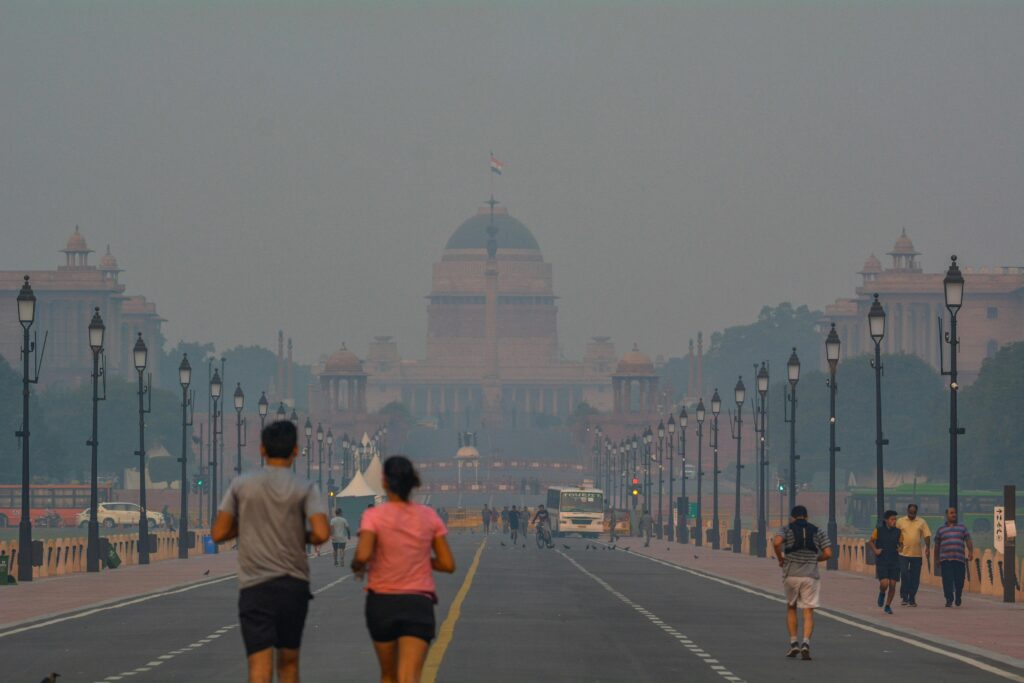
Toxic Smog Engulfs New Delhi; Air Quality Plunges to Hazardous LevelsNew Delhi, 15 December 2025: Delhi and the surrounding National Capital Region (NCR) are facing a severe air pollution crisis, with thick smog shrouding the city, drastically lowering visibility, and bringing everyday life to a standstill. The Air Quality Index (AQI) in many parts of the capital has surged deep into the *“Severe” and “Severe-Plus” categories, posing a grave public health risk. Air Quality at Dangerous LevelsData from the Central Pollution Control Board (CPCB) and multiple monitoring stations show AQI readings in excess of 460 in several localities, with values at some points reported near 470–498, levels classified as hazardous to human health. The deterioration has made Delhi one of the most polluted capitals in the world in December, with the city recording one of its worst air quality days of the season. Disruption to Daily LifeTransportation Impacted: Dense smog has disrupted flights and rail services, forcing airlines and train operators to issue advisories and reschedule services due to low visibility. Visibility Reduced: In many parts of the city, visibility has dropped sharply, with fog and smog reducing sight to just a few meters, complicating road travel and increasing the risk of accidents. Public Health Warnings: Hospitals in the capital have reported a surge in cases of respiratory distress, eye irritation, coughing, and breathlessness, particularly affecting children, the elderly, and individuals with pre-existing conditions. Protective Measures Advised: Authorities are urging residents to avoid outdoor activities, wear N95 masks outdoors, and stay indoors where possible. Government ResponseThe Graded Response Action Plan (GRAP) has been triggered at its highest levels in response to the hazardous air conditions. Measures in force include:Ban on older diesel trucks and construction activity, including major infrastructure projects;Restrictions on diesel generator use and some industrial emissions;Schools and workplaces shifting to hybrid or remote formats to limit exposure. Despite these efforts, experts say weather conditions—cold temperatures, slow wind speeds, high moisture, and stagnant air—are trapping pollutants near the ground, intensifying the smog. Causes Behind the CrisisDelhi’s winter pollution spike is driven by a combination of long-standing and seasonal factors:Vehicular emissions and exhaust from millions of daily commuters;Industrial and construction dust;Crop residue burning in neighboring states, such as Punjab and Haryana, which sends plumes of smoke into the region; andLow wind speeds and low temperatures that prevent dispersal of pollutants. No Immediate Relief in SightMeteorologists and pollution experts warn that no significant improvement is expected in the next few days due to continued cold weather and slow wind patterns that favor the accumulation of smog. Public Health ImplicationsAir pollution on such hazardous levels can lead to severe short-term effects, like bronchitis, asthma attacks, and aggravated cardiovascular problems. Long-term exposure increases risks of chronic respiratory diseases and can have lasting impacts on children’s lung development.

Leave a Reply