

4 min readNew DelhiFeb 12, 2026 12:00 PM IST
That smoking causes cancer is a known fact, with all cigarette packs also carrying the warning. But despite so much information around, even a harmless health symptom may raise suspicion among a smoker. One such user turned to the online forum Quora to seek answers to his query: “Is spitting brown phlegm, from smoking, a sign of cancer?” To answer this common concern, we spoke to Dr Jitesh Rajpurohit, Thoracic Surgical Oncologist at SSO Cancer Hospital, who said, “Brown phlegm does not automatically mean cancer. In many smokers, it appears because the lungs are trying to clear out tar, smoke particles, and old mucus that have built up over time.”
He, however, added, “While it can be harmless, persistent or worsening brown phlegm should not be ignored. Cancer is one of many possible causes—but it is not the most common. Think of brown phlegm as your lungs signalling, ‘something is irritating me.’”
Reason behind brown phlegm in smokers
The most frequent causes of brown or dark-coloured phlegm, as per Dr Rajpurohit, are as follows:
- Tar and smoke residue: Smoking leaves sticky brown tar in the airways. When you cough, this tar can come up in the phlegm.
- Chronic bronchitis: A long-term irritation of the airways caused by smoking. It leads to a daily cough and dark mucus.
- Old blood: Tiny, irritated blood vessels can leak small amounts of blood, which turn brown as they age.
- Chest infections: Infections can cause mucus to become thicker and darker.
- Pollution and dust exposure: Smoke and pollution make mucus darker and thicker.
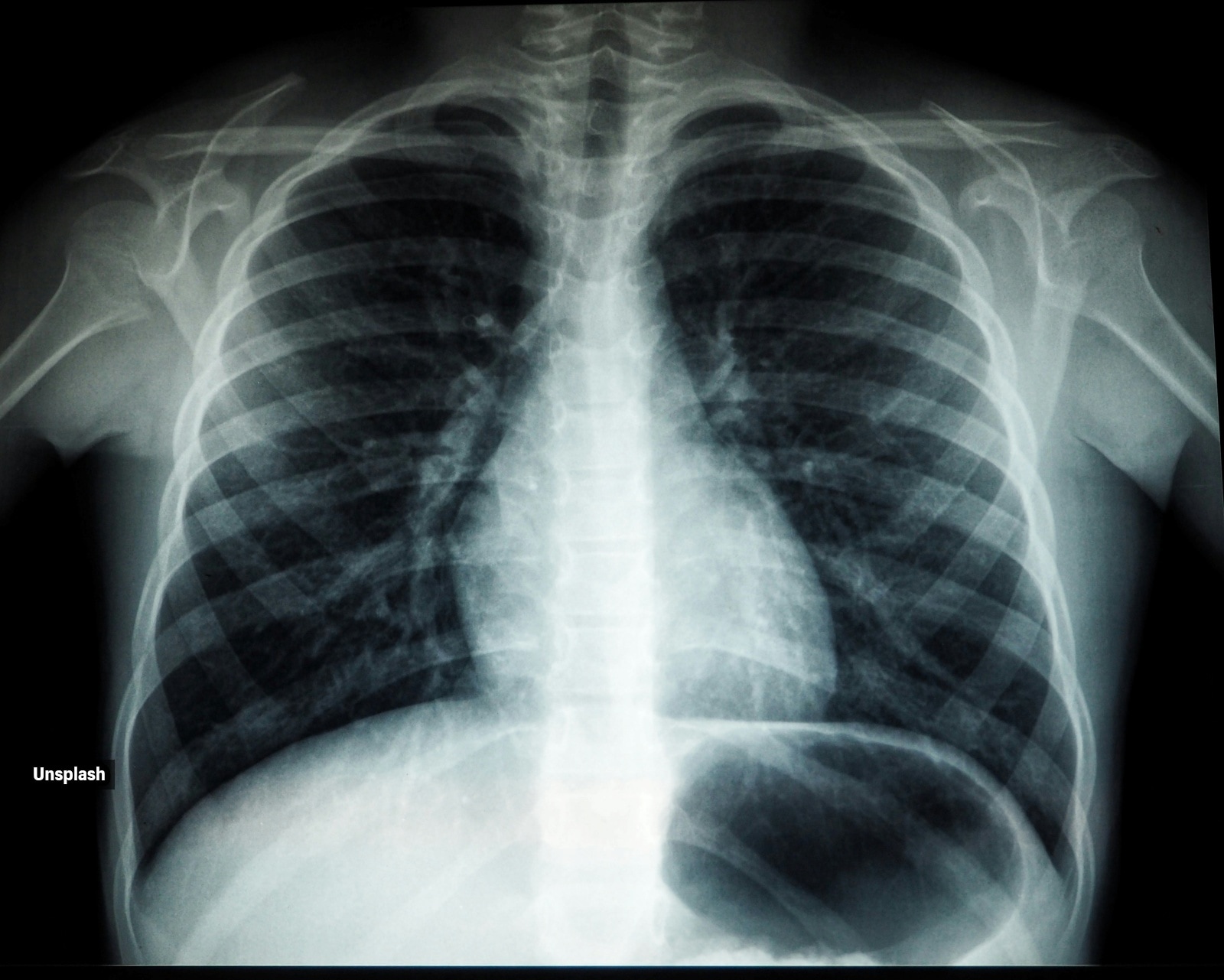 If brown phlegm persists, a chest X-ray may be done to check for infections or lung damage (Image: Unsplash)
Most of these causes are treatable, especially if smoking is stopped. However, they should be taken seriously if any of the symptoms last more than 2–3 weeks, become darker/thicker, involve blood streaks or clots, persist as hoarseness or unusual fatigue, or involve unexplained weight loss, chest pain, or shortness of breath. “These do not mean cancer for sure, but they do mean you should see a doctor promptly,” the oncologist cautions.
However, if someone quits smoking, within weeks, mucus production decreases, the lungs begin to clean themselves, and brown phlegm often turns clear or disappears. Cough and irritation slowly improve, and the risk of serious lung disease drops over time. Even long-term smokers see benefits—it is never too late to quit.
Which medical tests to get
If brown phlegm persists, doctors may recommend these medical tests:
- Chest X-ray to check for infections or lung damage
- CT scan for detailed imaging if symptoms continue
- Sputum test to detect infections or abnormal cells
- Pulmonary function test to assess lung efficiency
- Bronchoscopy, if needed, to examine the lungs directly
However, if a non-smoker develops brown phlegm, the possible triggers could be pollution, chest infections, sinus irritation, occupational exposure, or severe acid reflux. While cancer is less likely in non-smokers, persistent symptoms still deserve evaluation.
Story continues below this ad
DISCLAIMER: This article is based on information from the public domain and/or the experts we spoke to. Always consult your health practitioner before starting any routine.

Leave a Reply