
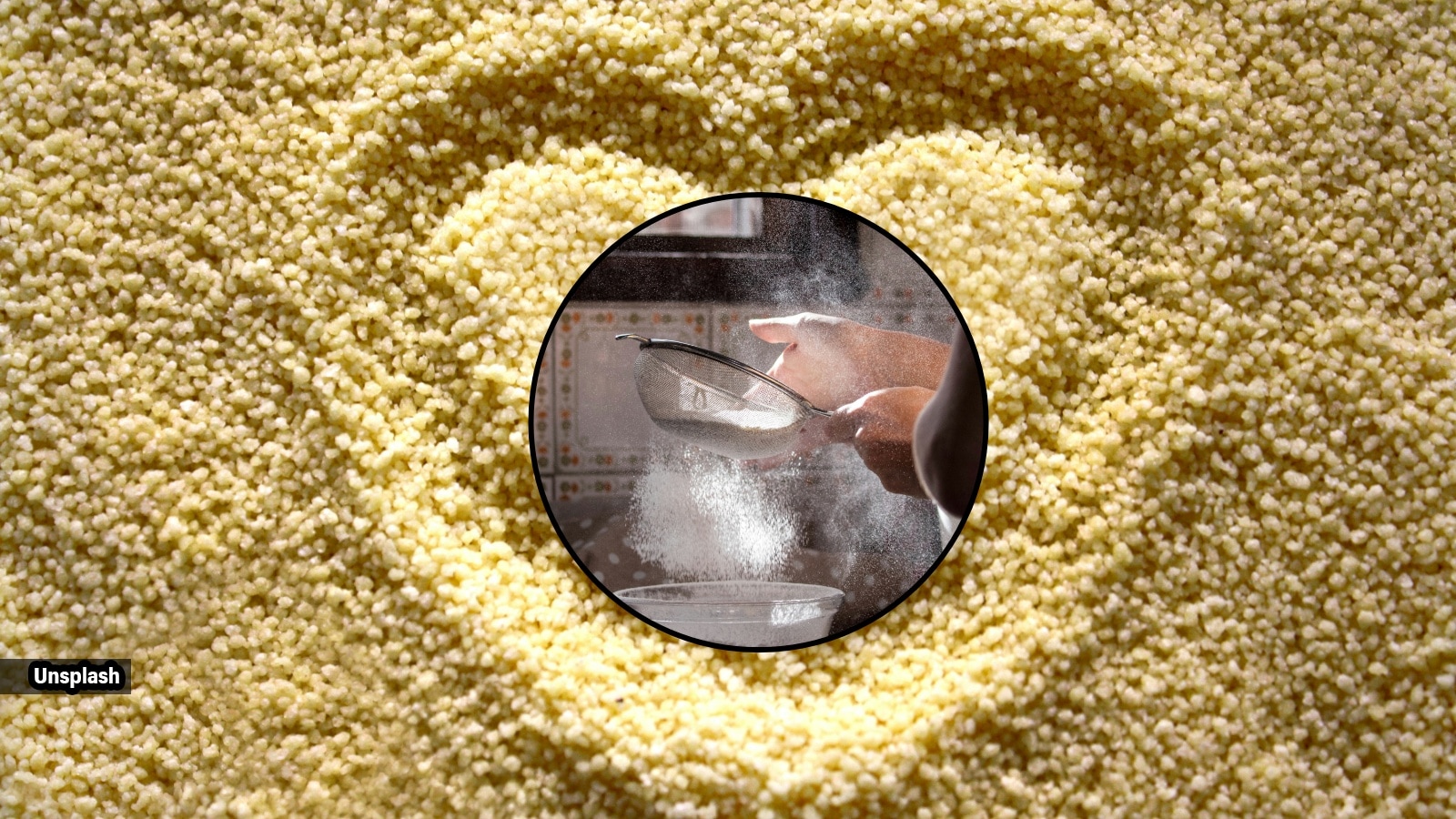
Sooji or semolina has long been considered a healthier alternative to maida (all-purpose flour), especially in Indian kitchens. The Indian weight loss diet often includes suji-based dishes like upma, idli, and even desi pancakes. However, Akriti, an engineer-turned-medical student, has recently put the coarse flour in the spotlight by saying that its health benefits are just a misconception.
Called sooji “just a glorified version of maida,” she argued that it has a moderately high glycaemic index, “practically no fibre,” and is essentially a refined carbohydrate. According to her, a slightly lower glycaemic index than maida does not automatically make it a healthier option.
To verify these claims, we reached out to Ashlesha Joshi, Fitness Dietician and Nutritionist at Tone 30 Pilates.
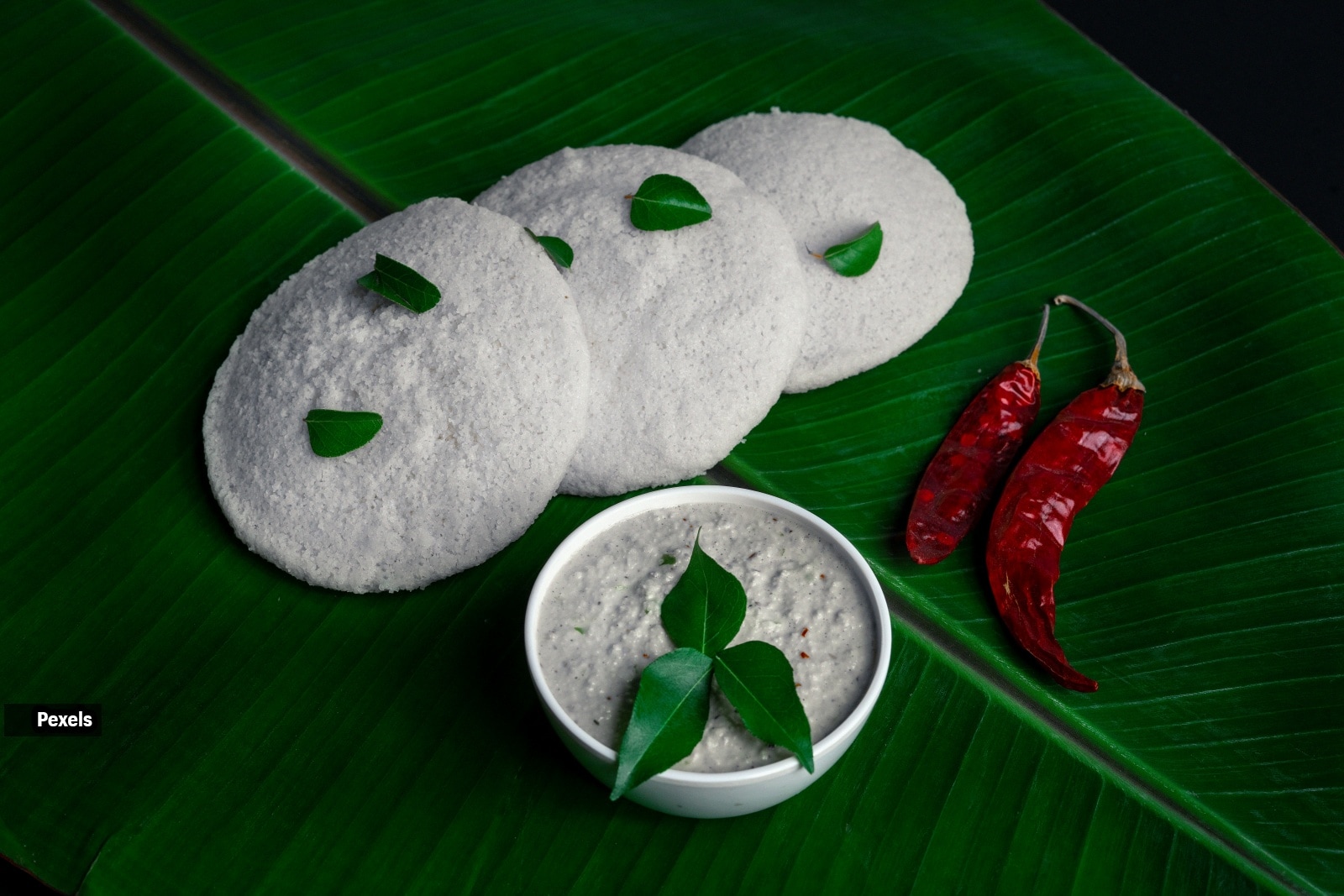 Sooji is better option than maida for everyday Indian preparations like upma or idli when paired with fibre-rich foods (Image: Pexels)
Plain facts or oversimplification?
The nutritionist tells indianexpress.com that Akriti’s comparison is an oversimplification. “Both sooji and maida come from wheat, but they are processed differently. Maida is made from the refined endosperm with most of the fibre and micronutrients removed, while sooji is a coarser product that retains slightly more protein and structure.”
However, she adds that sooji is still not a whole grain. “Calling it ‘glorified maida’ is misleading, but portraying it as highly nutritious would also be inaccurate. It sits somewhere in between.”
So, can sooji be a healthier alternative to maida? According to Joshi, context and moderation matter. “Compared to maida, sooji has a lower degree of refinement and provides better satiety, especially when cooked with vegetables, legumes, or healthy fats. It can work well in everyday Indian preparations like upma or idli, but avoid over-reliance. It should not replace whole grains such as millets, oats, or whole wheat on a regular basis,” she cautioned.
Sooji and blood sugar levels
Addressing concerns around blood sugar, Joshi agrees that sooji does have limitations. “Sooji does have a relatively high glycaemic index because it is made from refined wheat and digests quickly,” she says, adding that its fibre content is low compared to whole grains. However, she points out that preparation plays a role. “Adding vegetables, protein sources like dal or curd, and fats such as ghee or oil can slow glucose absorption and reduce blood sugar spikes.”
Story continues below this ad
However, regular consumption, especially in large quantities, may have downsides. “When consumed as part of a diet high in refined carbohydrates, sooji can contribute to blood sugar fluctuations and reduced satiety,” Joshi warns. It also contains gluten, making it unsuitable for those with celiac disease or gluten intolerance.
To put it straight, occasional consumption of sooji as part of a balanced meal is fine, but nutritionally, it is best viewed as a transitional refined grain—not a daily health staple.
DISCLAIMER: This article is based on information from the public domain and/or the experts we spoke to. Always consult your health practitioner before starting any routine.

Leave a Reply