
4 min readNew DelhiFeb 11, 2026 10:30 AM IST
The Internet can make any health number seem alarming. As such, it is not surprising that we stumbled upon a Quora user asking whether a blood sugar reading of 156 mg/dL two hours after eating was normal. But is it? To find out the answer, we reached out to Dr Rajiv Kovil, Head of Diabetology and weight loss expert at Zandra Healthcare and Co-founder of the Rang De Neela Initiative, who said that it’s a common concern — glucometer readings often raise more questions than answers.
Explaining that the numbers after meals need context, Dr Kovil said that a single value doesn’t tell the whole story — patterns over time, along with overall health and diagnosis, matter far more. “For someone without diabetes, blood sugar typically settles below 140 mg/dL within two hours of eating. So a 156 mg/dL reading is slightly above the usual range. For someone with diabetes, however, targets can differ. A 2-hour post-meal blood sugar of 156 mg/dL is slightly higher than normal for a healthy person but may be acceptable for some individuals with diabetes depending on treatment goals,” he told indianexpress.com.
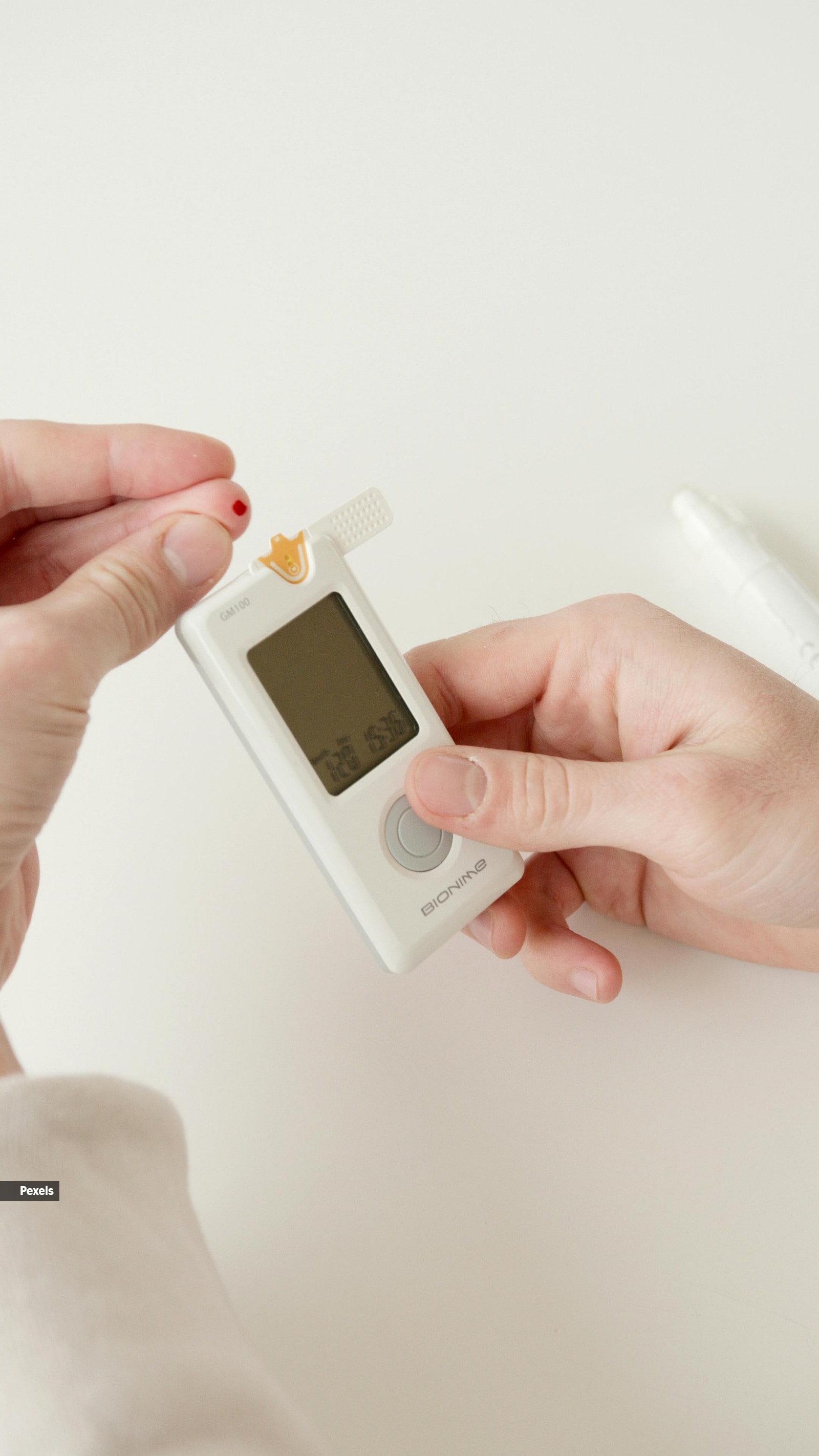 If post-meal readings frequently remain between 150–160 mg/dL, especially in people without diagnosed diabetes, medical evaluation is advisable (Image: Pexels)
What blood sugar readings are considered normal after meals?
Dr Kovil breaks it down clearly. “In people without diabetes, post-meal glucose usually returns below 140 mg/dL. In diabetes, occasional readings around 150 mg/dL may occur, but frequent elevations suggest suboptimal control.”
Most diabetes guidelines recommend keeping two-hour post-meal levels below 180 mg/dL, though targets may be stricter depending on age, duration of diabetes, and risk of hypoglycaemia. The key concern is not one slightly high number but persistent elevations, which over time can raise the risk of heart disease, nerve damage, kidney disease, and eye complications.
Post-meal readings are particularly useful because they show how daily habits affect glucose. “Post-meal monitoring helps assess how food, medication, and physical activity affect glucose levels,” Dr Kovil says. A meal high in refined carbohydrates with little fiber or protein is more likely to push numbers up, while balanced meals lead to steadier responses.
When should you see a doctor?
If readings in the 150–160 mg/dL range happen often, it’s time to take them seriously.
“If post-meal readings frequently remain between 150–160 mg/dL, especially in people without diagnosed diabetes, medical evaluation is advisable to screen for prediabetes or early diabetes,” Dr Kovil advises. Those already diagnosed should also seek medical review if these values persist despite treatment.
Story continues below this ad
Simple lifestyle steps can help bring numbers down. Dr Kovil recommends reducing refined carbohydrates, increasing fiber and protein intake, controlling portion sizes, and engaging in 10–15 minutes of post-meal walking. Maintaining a healthy body weight and taking medications regularly are equally important.
Testing beyond home monitoring is also crucial. HbA1c reflects average glucose over two to three months and helps gauge long-term control. An Oral Glucose Tolerance Test (OGTT) can detect early post-meal glucose problems that fasting tests might miss. Using both gives a clearer picture and allows early action to prevent progression.
So, is 156 mg/dL two hours after eating normal? It’s borderline for someone without diabetes and possibly acceptable for some with diabetes — but only in the right context. As Dr Kovil’s guidance makes clear, numbers are signals, not verdicts. If they keep showing up, it’s best to let a doctor interpret the pattern rather than relying on internet reassurance.
DISCLAIMER: This article is based on information from the public domain and/or the experts we spoke to. Always consult your health practitioner before starting any routine.

Leave a Reply