
3 min readNew DelhiFeb 13, 2026 03:55 PM IST
High blood pressure is influenced by factors such as body weight, insulin sensitivity, inflammation, diet, physical activity, and stress. In recent years, fasting has been studied for its potential effects on these markers. But does it really support blood pressure control? According to Dr Prateek Kumar, Consultant Physician at Maccure Hospital, fasting can help—but it isn’t a cure-all.
Does fasting directly lower blood pressure?
“There is scientific evidence showing that fasting can reduce blood pressure, but the effects are largely indirect,” explains Dr Prateek Kumar. He notes that fasting often leads to weight loss, better insulin sensitivity, and lower inflammation—factors that are closely linked to healthier blood pressure levels.
Studies have shown modest reductions in both systolic and diastolic blood pressure, particularly in people who are overweight or have early-stage hypertension, he adds. “However, fasting on its own is not a treatment,” Dr Kumar cautions. “Its impact depends on overall diet quality, physical activity, sleep, and stress management.”
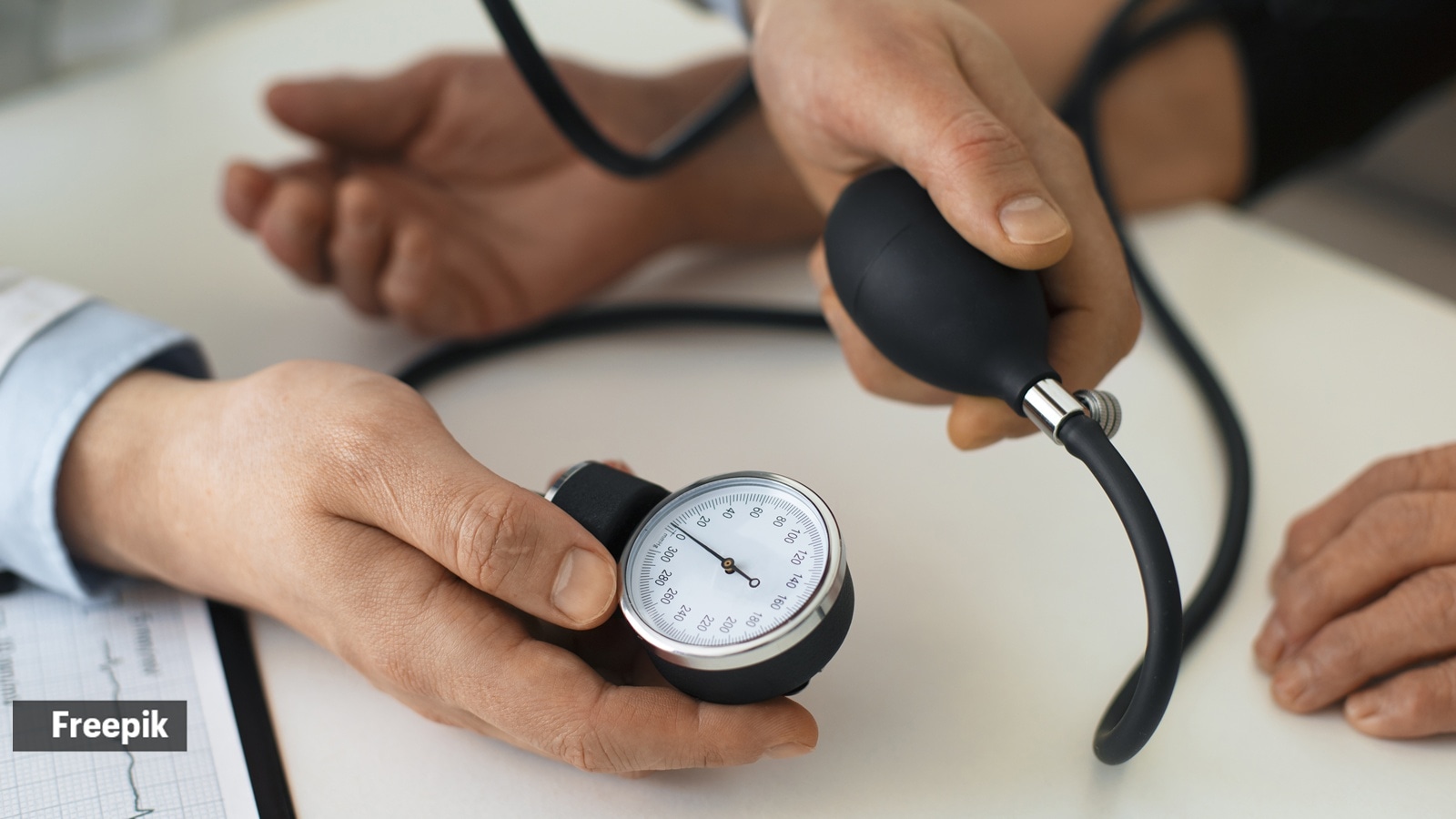
 Doctors recommend that fasting is not safe for everyone (Photo: Freepik)
Which fasting methods show the most promise?
Not all fasting styles work the same way. According to Dr Kumar, time-restricted eating—where meals are limited to an 8–10-hour daily window—appears to be the most sustainable and effective approach for supporting blood pressure.
“This pattern aligns better with our circadian rhythm and improves metabolic health without extreme calorie restriction,” he says. Intermittent fasting methods such as the 5:2 diet or alternate-day fasting have also shown improvements in blood pressure, but results vary among individuals.
Longer fasts may temporarily lower blood pressure, but Dr Kumar advises caution. “They are difficult to maintain and come with higher risks, so they’re not suitable for routine blood pressure management.”
Who should avoid fasting for blood pressure control?
Fasting is not safe for everyone. Dr Kumar warns that people with uncontrolled hypertension, those on multiple blood pressure medications, individuals with diabetes prone to low blood sugar, pregnant or breastfeeding women, and people with a history of eating disorders should avoid fasting altogether.
Story continues below this ad
“In these groups, fasting can increase the risk of dizziness, electrolyte imbalance, or sudden drops in blood pressure,” he explains.
Safer, proven alternatives to manage blood pressure
For those who cannot or should not fast, Dr Kumar recommends evidence-based lifestyle approaches. “Balanced eating patterns like the DASH or Mediterranean diet, reducing salt intake, regular physical activity, stress management, and consistent sleep have far stronger and safer evidence for blood pressure control,” he says.
Ultimately, he emphasises consistency over trends. “Fasting can be a helpful tool for some people, but it works best as part of a larger, balanced lifestyle—not as a standalone solution.”
DISCLAIMER: This article is based on information from the public domain and/or the experts we spoke to. Always consult your health practitioner before starting any routine.

Leave a Reply