
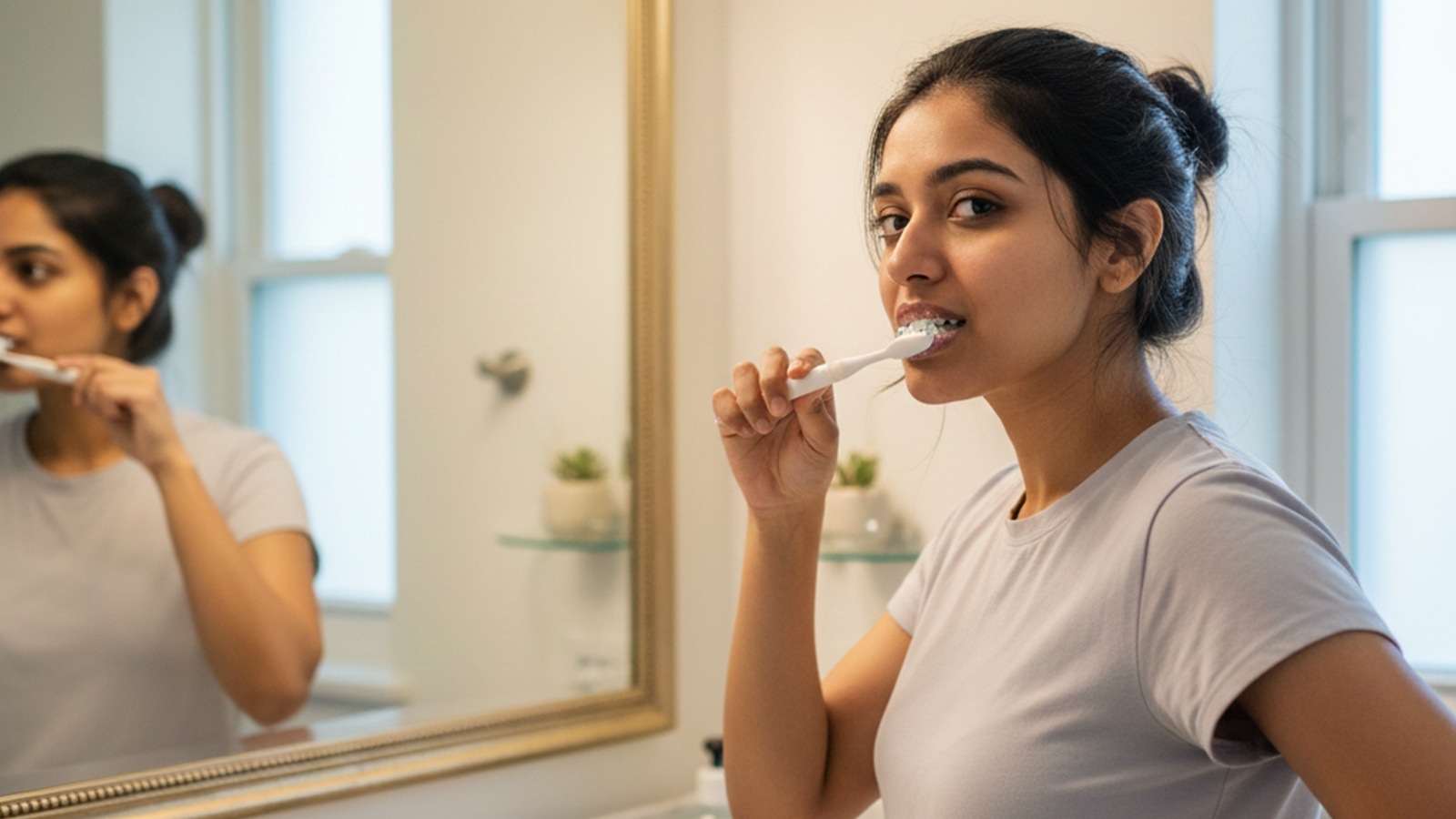
Koreans are known to eat and live healthily. Clean diets rich in probiotics, walkable cities that encourage movement, and technological advancements in beauty and skincare make sure they are always in the pink of their health. Now, they seem to have pioneered a dental trend, too: a 3-3-3 rule that involves brushing a certain way to ensure optimal oral hygiene. The rule says you should brush three times a day, for three minutes each time, and ideally within three minutes of eating. Some variations of the rule also recommend changing your toothbrush every 3 months. But is the 3-3-3 brushing technique effective or an overkill?
According to Dr Saakshi Hinduja, BDS MBAHCS, Aster CMI Hospital, Bangalore, it is a helpful guideline, but it may be a bit confusing if taken too strictly.
Let’s break it down further.
Do you need to brush for 3 minutes?
Dr Hinduja said that brushing properly is very important because it removes food particles, plaque, and bacteria that cause cavities and gum problems. In that context, brushing for three minutes is a good idea because many people spend less time and may miss areas of the mouth.
And, within 3 minutes of a meal?
According to her, brushing after meals can help prevent acid damage from foods and drinks. However, brushing immediately after very acidic foods like citrus or soda can harm the enamel, so waiting 20–30 minutes is safer.
“The key is not just timing or length but brushing correctly, covering all teeth, using gentle circular motions, and not brushing too hard,” she said, adding that using fluoride toothpaste and flossing once a day are also important for full oral hygiene.
Do you need to change toothbrushes every 3 months?
Dr Hinduja said that you should also replace your toothbrush every three months to ensure it cleans effectively and doesn’t trap bacteria.
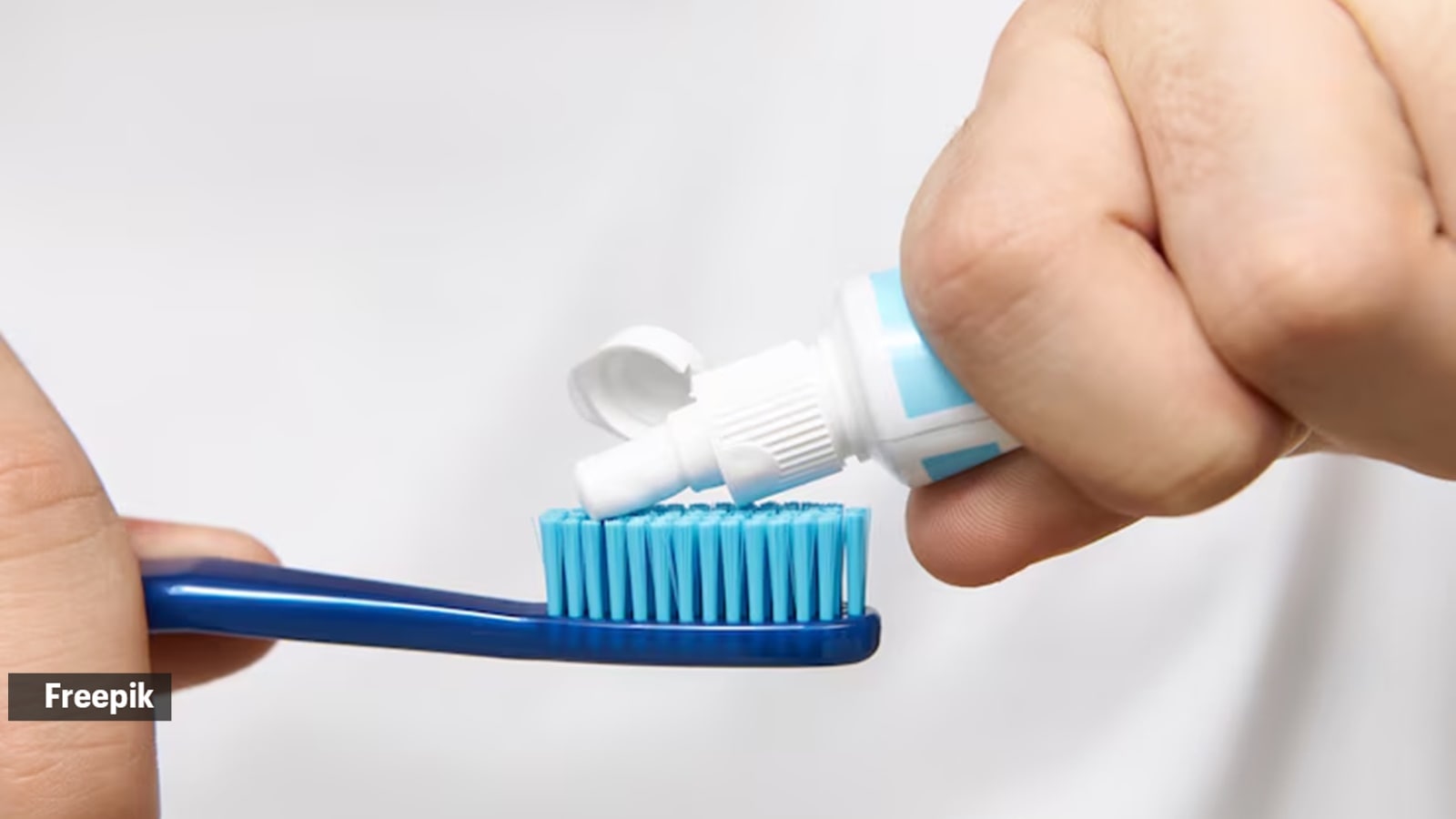 Brushing after meals can help prevent acid damage from foods and drinks (Source: Freepik)
What about brushing thrice a day?
For most people, the dentist said that brushing twice a day for two minutes with proper technique is enough.
Story continues below this ad
“The 3-3-3 rule can be useful as a reminder to care for your teeth, but doing it exactly as described is not always necessary and could feel like overkill for some,” said Dr Hinduja.
While brushing is essential, Dr Shreya Dasgupta, consultant pediatric dentist at Surya Mother and Child Super Speciality Hospital, Pune, said that complete oral hygiene goes beyond just brushing. “Brushing cleans the surfaces of your teeth and gums, but it can’t reach the spaces in between. Bacteria and food particles can also linger on the back of your mouth and tongue,” she pointed out.
What else can you do?
Dr Dasgupta recommended a multi-step approach:
Flossing: Flossing daily removes plaque and food particles from between teeth, areas a toothbrush can’t reach.
Story continues below this ad
Regular Dental Check-Ups: Professional cleanings and checkups by your dentist are vital for maintaining oral hygiene. Dentists can detect and treat problems early on, preventing serious issues.
Hydration: Staying hydrated helps regulate salivary flow, which naturally washes away bacteria.
Tongue Cleaning: Don’t forget your tongue! Bacteria can build up on the tongue, contributing to bad breath. Gently brushing your tongue or using a tongue scraper helps remove bacteria.
The main goal is consistent, careful brushing and flossing, combined with regular dental checkups. This keeps teeth and gums healthy without causing unnecessary wear or stress.
Story continues below this ad
DISCLAIMER: This article is based on information from the public domain and/or the experts we spoke to. Always consult your health practitioner before starting any routine.

Leave a Reply