
3 min readNew DelhiMar 1, 2026 06:00 PM IST
Staying up all night may feel manageable — until your body starts pushing back. A reversed sleep cycle doesn’t just cause tired mornings; over time, it strains the body’s internal clock, affecting immunity, hormones, and even breathing. According to pulmonologist Dr Sudhir Gupta (Chest Physician), Kailash Hospital, Noida, these effects build gradually, and many people ignore the early warning signs.
Speaking from clinical experience, he says the body rarely stays silent when its rhythm is disturbed — it signals distress in ways that are easy to dismiss as stress or burnout.
Fatigue that never really lifts
One of the earliest red flags is exhaustion that doesn’t improve even after a full sleep window. This reversed rhythm “desynchronizes” the brain’s master clock. “Melatonin production gets suppressed by daytime light exposure (even through curtains), leading to poor sleep depth,” says Dr Gupta.
Daytime sleep tends to be lighter and more fragmented, preventing proper recovery. This shows up as brain fog, irritability — “that feels like constant PMS or burnout”– and energy crashes that often lead to heavy caffeine dependence.
Headaches, mood swings, and hormonal stress
Sleep reversal disrupts blood flow regulation and hormone timing. Dr Kumar describes “throbbing headaches from vascular dysregulation” as a sign that the nervous system is struggling to stabilise. Hormonal imbalance may appear as sudden mood shifts, unexplained weight gain, cold intolerance, or frequent afternoon crashes — signals that stress hormones and metabolism are out of sync. “Chronic cases mimic clinical depression, serotonin and dopamine dips trigger anxiety, poor focus scatters thoughts like fog, and resilience crumbles under amplified stress,” the pulmonologist cautions.
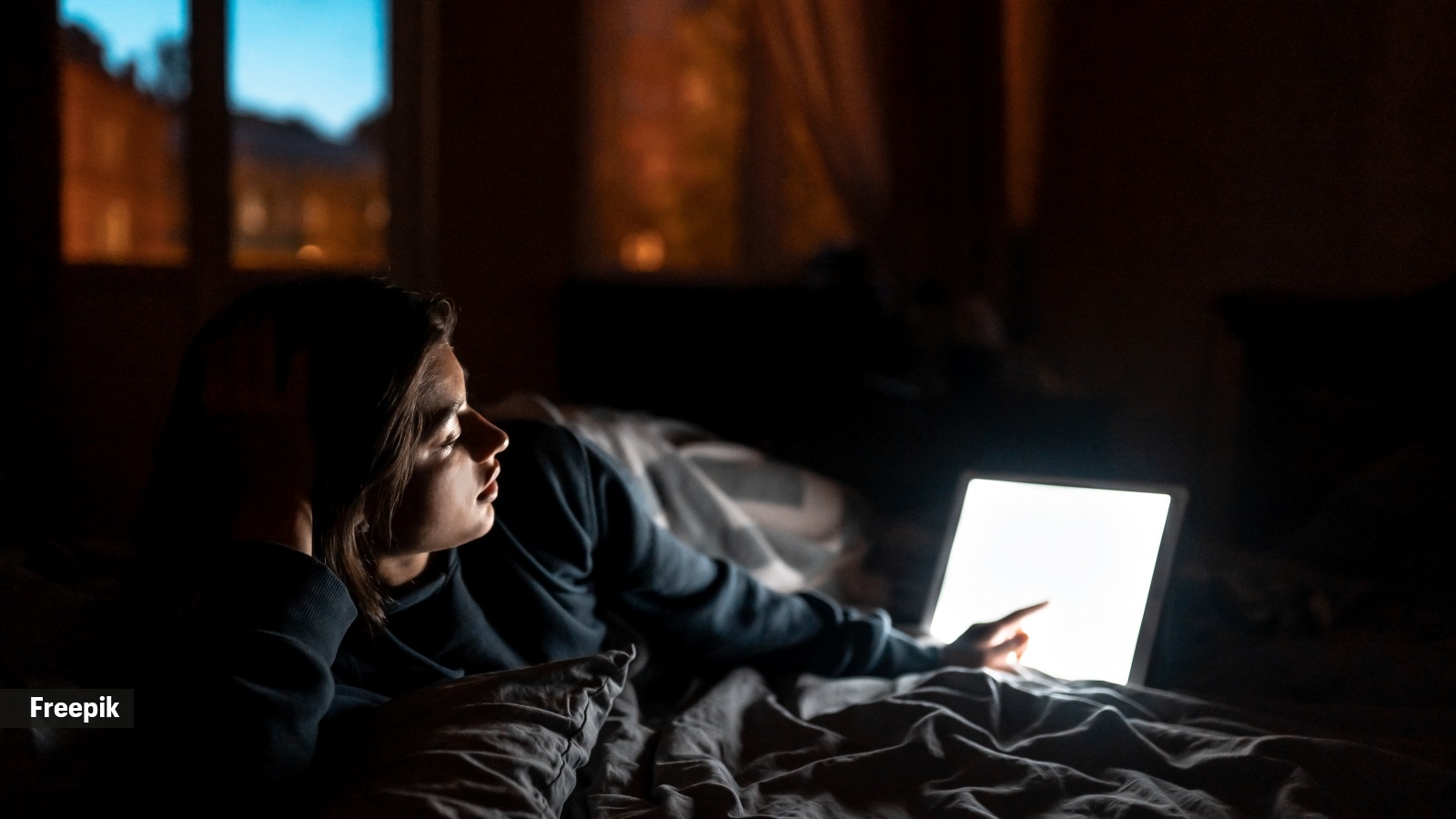
 Persistent disturbed sleep cycle can eventually manifest in the form of brain fog, irritability, and energy crashes (Image: Freepik)
Respiratory and immune warning signs
The circadian rhythm, Dr Gupta explains, also influences immune defense and lung efficiency. Over years of disturbed sleep, the natural killer cell activity during daytime “night” hours is reduced, leaving the body more susceptible to infections.
Persistent coughs, breathlessness on stairs, or worsening asthma symptoms can point to compromised recovery. More serious clues include frequent infections, slow-healing cuts, or dry skin and eyes — signs that the body’s repair systems are under strain.
Story continues below this ad
When the body is asking for a reset
Some symptoms go beyond inconvenience. Dr Gupta warns that a noticeable drop in stamina or libido, repeated illness, or chronic fatigue indicates deeper physiological stress. As he puts it, “This is your body screaming for rhythm realignment before chronic issues like hypertension or autoimmunity lock in.”
Thus, even though occasional late nights aren’t necessarily harmful, long-term sleep disruption creates a silent, cumulative stress. When fatigue becomes constant, immunity dips, or mood swings intensify, your sleep schedule may be the hidden culprit. Recognising these signals early allows you to reset habits before they evolve into long-term health problems.
DISCLAIMER: This article is based on information from the public domain and/or the experts we spoke to. Always consult your health practitioner before starting any routine.

Leave a Reply