

Last year, television actor Dipika Kakar revealed that she had been diagnosed with a tennis ball-sized cancerous tumour in her liver. In June, she underwent a major surgery in which 22 per cent of her liver was removed, a procedure that marked the beginning of a long recovery and strict medical follow-ups.
Now, months later, a new development has surfaced. In his latest YouTube vlog, her husband Shoaib Ibrahim shared that doctors have discovered a new cyst. In the vlog, the couple were seen attending a birthday party on Friday, but later that night, her health worsened. Shoaib explained in Hindi, “Today (Saturday), the full day was of hospital visits. Everything was fine till yesterday. Dipika had mild pain in her stomach for two days, which aggravated more on Friday night. So, we visited the doctor, they got a CT scan done, and we learned that she has another cyst of 13mm (1.3 cm).”
Dipika added, “Stomach ke saath same shoulder pain bhi do din se feel ho raha tha, toh isliye woh hum dono ke liye alarming tha.(Along with the stomach, I have been getting the same shoulder pain for two days. That was alarming for us). However, the doctors are saying that the pain in the left shoulder is not because of that.”
The cyst, detected on imaging, was reportedly not visible on the December PET scan. Shoaib further explained, “Other than this cyst, everything is normal. This is what we were scared about. Last time, the doctor had told us that poorly differentiated and very aggressive tumours have chances of recurrence. Even though it’s in its early stages now, it didn’t appear on the PET scan we did in December. We have even had blood tests done, and the results are slightly higher. So the doctor has decided to treat it; there won’t be a major surgery, but the cyst will be burned. She will be hospitalised for 3-4 days, and the procedure will happen on Tuesday.”
Reflecting on the emotional impact, Dipika said, “Such is life. For people who are battling like me, we need to fight such obstacles when they come, and stay determined and strong.”
Shoaib added, “I asked the doctor the reason for the cyst, and he just said it occurs. This is a disease that often recurs in people, which is why doctors stress the importance of follow-ups, and we kept doing that. Her treatment might also change after this; oral chemotherapy might stop, and she might need to take proper immunotherapy.”
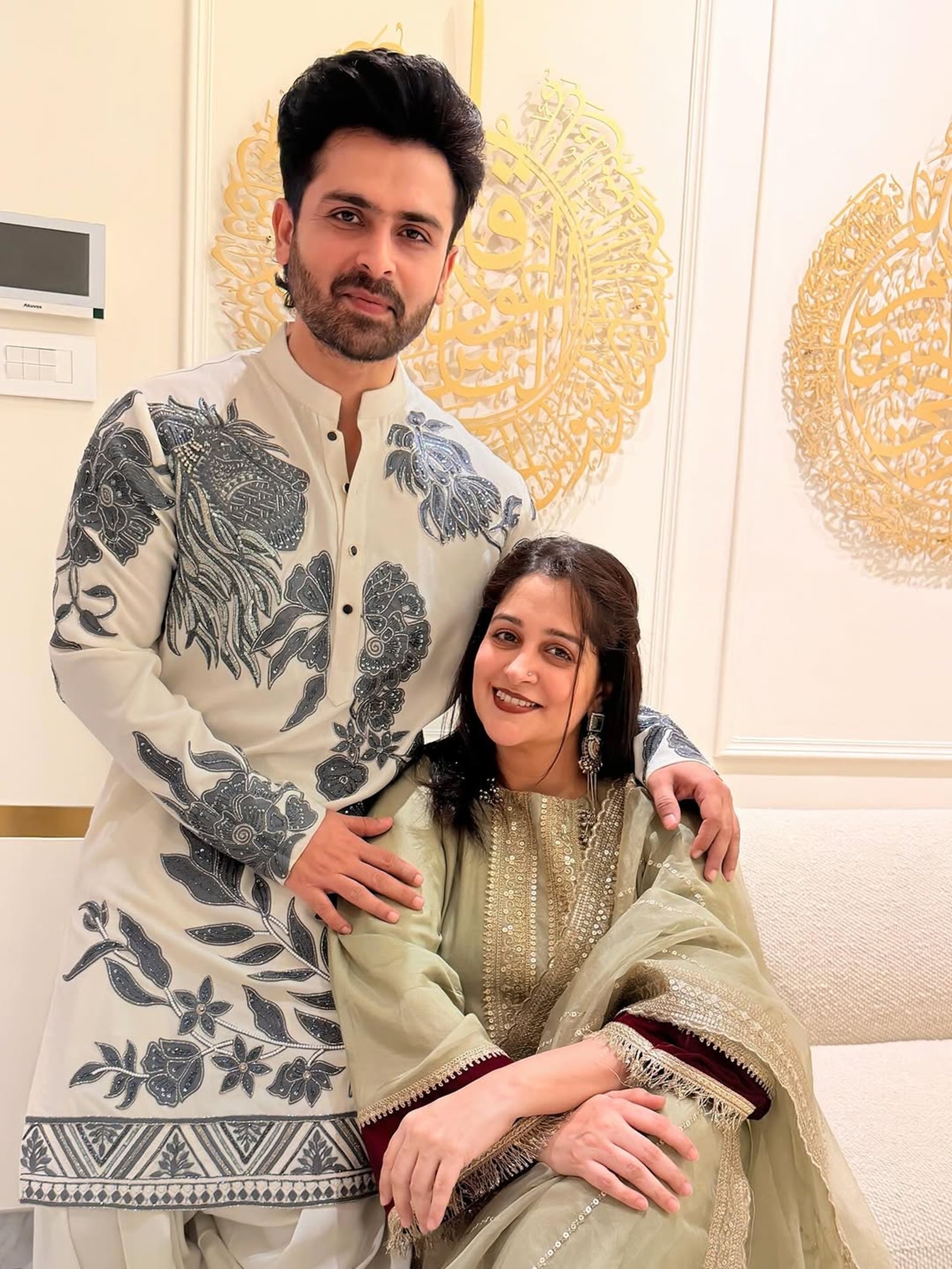 Shoaib and Dipika gave a health update on YouTube (Source: Instagram/Dipika Kakar)
So, after surgical removal of a cancerous liver tumour, how common is it to detect small cysts or new lesions months later?
Dr Fahad Afzal, consultant oncologist at Saifee Hospital, tells indianexpress.com, “After surgical removal of a liver tumour, it is fairly common for follow-up scans to detect small cysts or new spots months later. Many of these are benign and relate to healing, scar tissue, liver regeneration, or a cyst that was already present but has become more visible on later scans.”
Story continues below this ad
Dr Rakesh Sharma, MD (Internal Medicine), DM (Medical Oncology), at MOC Cancer Care Centre, adds, “Doctors compare with previous scans, look at contrast‑enhancement patterns on CT/MRI, check blood tumour markers (like AFP), and sometimes use PET or biopsy to distinguish harmless cysts from early cancer recurrence.”
What minimally invasive procedures are typically used in such cases?
“When doctors say that a liver lesion will be ‘burned,’ they are referring to minimally invasive ablative treatments. Common methods include radiofrequency ablation (RFA), microwave ablation (MWA), and sometimes alcohol injection,” says Dr Afzal.
He adds that these procedures are “performed by inserting a needle into the liver under ultrasound (sono) or CT guidance,” usually without major surgery. Dr Mandeep Singh Malhotra, oncologist at Art of Healing Cancer, states, “For lesions under 3 cm, ablation offers good local control and is often effective. However, while it treats the targeted area well, regular monitoring is essential because recurrence can still occur elsewhere in the liver.”
If oral chemotherapy is stopped and immunotherapy is considered, how do doctors decide when to shift treatment?
According to Dr Afzal, oncologists consider changing treatment when oral chemotherapy or targeted therapy stops working, either due to significant side effects or because scans show disease progression. “In such situations, immunotherapy may be considered based on liver function, the patient’s overall health, and previous treatments received.”
Story continues below this ad
Immunotherapy (checkpoint inhibitors) can offer durable control in a subset of liver‑cancer patients, sometimes extending survival. “Patients should understand that responses are not guaranteed, treatment is costly, and immune‑related side‑effects (including liver inflammation) require close, experienced monitoring and long‑term follow‑up,” stresses Dr Sharma.
DISCLAIMER: This article is based on information from the public domain and/or the experts we spoke to. Always consult your health practitioner before starting any routine.

Leave a Reply