
4 min readNew DelhiFeb 25, 2026 12:00 AM IST
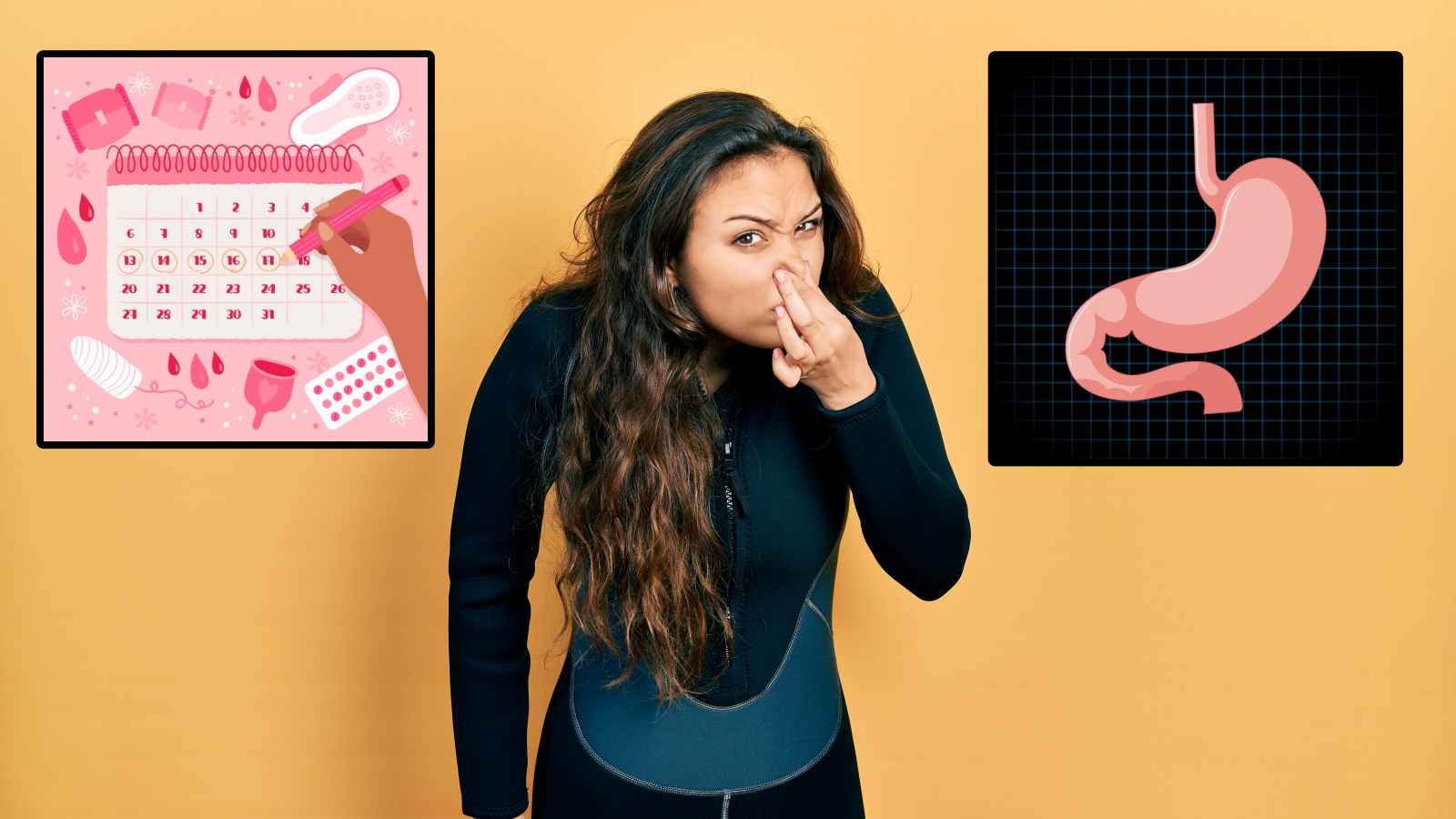
For many women, periods don’t just bring cramps and mood swings — they also arrive with an uncomfortable side effect that isn’t talked about enough: period flatulence or excessive gas. Bloating, flatulence, and sudden digestive changes can feel embarrassing or even alarming, especially when they show up like clockwork every month. But experts say this monthly gassiness is closely tied to the same hormonal shifts that drive the menstrual cycle.
According to Dr Archana Kankal, Director of Obstetrics and Gynaecology, Sahyadri Hospitals MomStory, Nagar Road, hormonal fluctuations — particularly progesterone and prostaglandins — are at the centre of these digestive changes. “The main reason for the rise in flatulence during the menstrual cycle is associated with hormonal changes, particularly the levels of progesterone and prostaglandins,” she tells indianexpress.com.
Just before menstruation, progesterone levels fall, which can slow digestion and contribute to bloating. At the same time, prostaglandins — chemicals released to help the uterus contract — can also influence nearby digestive organs. Dr Kankal notes that because the uterus and intestines sit close together, these chemical signals may alter bowel activity, leading to gas and bloating during the premenstrual phase and period itself.
Why gas often comes with cramps or loose motions
 “The main reason for the rise in flatulence during the menstrual cycle is associated with hormonal changes, particularly the levels of progesterone and prostaglandins”: Dr Archana Kankal (Image: Pexels)
Digestive discomfort during periods rarely appears alone. Many women notice that gas is accompanied by cramps or even diarrhoea. As per Dr Kankal, again, prostaglandins are at play here.
“These hormone-like compounds cause uterine contractions to release the lining, which results in pain or cramping. But prostaglandins can also cause the intestines to work harder.”
The result can be loose stools, abdominal discomfort, and excess gas. Shared nerve pathways between reproductive and digestive organs may intensify the experience, meaning uterine contractions can worsen gut symptoms. Women who already have sensitive digestion — particularly those with irritable bowel syndrome — may feel these effects more strongly during menstruation.
When to take digestive symptoms seriously
While mild bloating, gas or even loose motions are considered common during periods, Dr Kankal stresses that persistent or severe symptoms should not be ignored.
Story continues below this ad
“If the symptoms are severe or progress with time, it is advisable to seek medical attention,” she says. Warning signs include intense abdominal pain that disrupts daily activities, severe diarrhoea causing dehydration, blood in the stool, unexplained weight loss, or digestive symptoms that continue beyond the menstrual cycle.
If gut discomfort interferes with life every month, it may signal underlying concerns such as endometriosis, pelvic inflammatory disease, or gastrointestinal disorders — all of which require medical evaluation.
Understanding the hormonal link can make period-related gas feel less mysterious. For most women, it’s a temporary ripple effect of the menstrual cycle. But knowing when symptoms fall outside the usual pattern is just as important as recognising what’s normal.
DISCLAIMER: This article is based on information from the public domain and/or the experts we spoke to. Always consult your health practitioner before starting any routine.

Leave a Reply