
4 min readNew DelhiFeb 24, 2026 08:00 PM IST
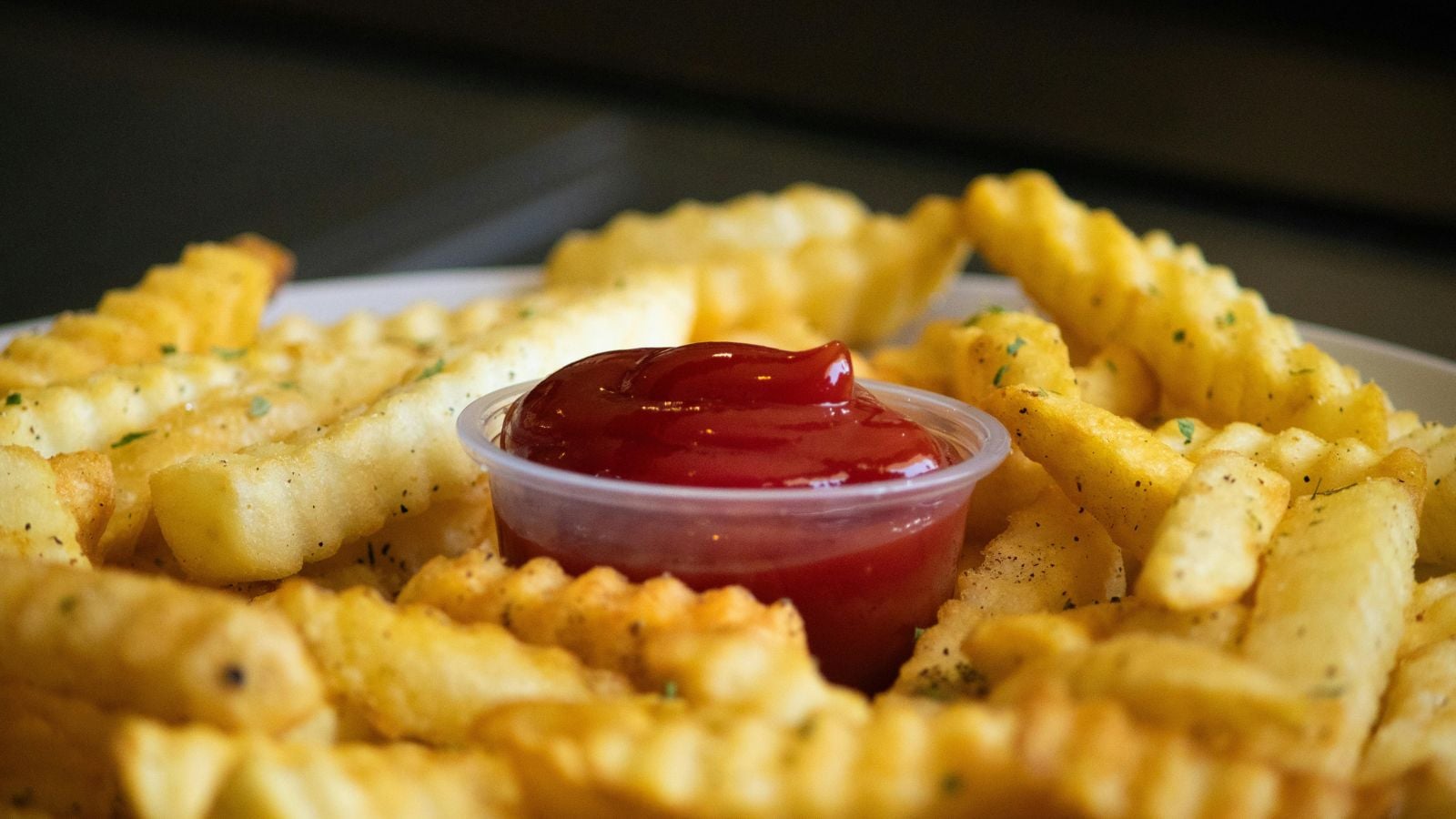
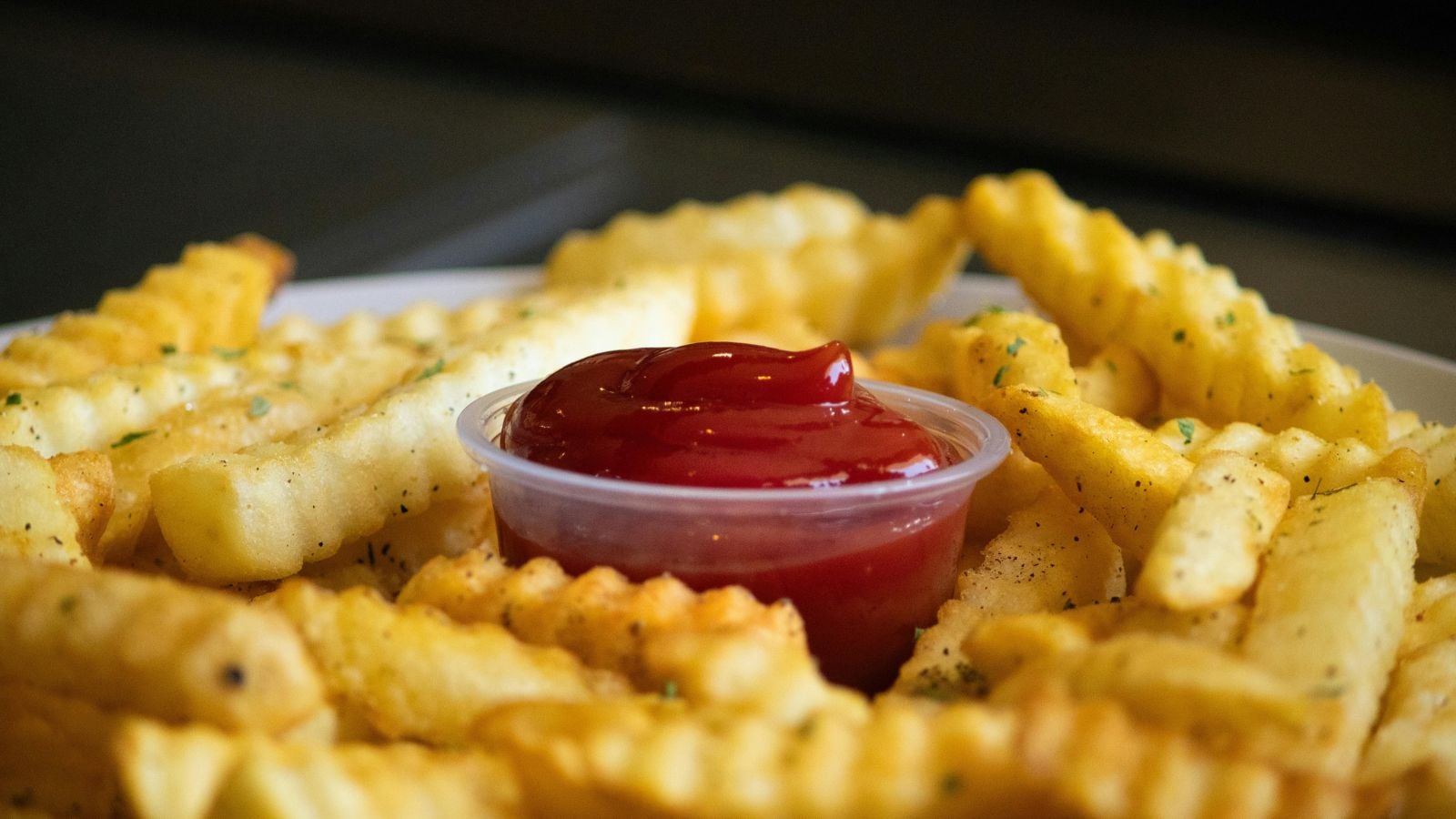
Golden and crispy on the outside, soft on the inside, and sometimes sprinkled with masalas and cheese, French fries are not just a staple at get-togethers but also emotional support when one needs warmth and comfort. However, over the years, the snack has been deemed unhealthy, often triggering several health risks, including spiking blood sugar levels.
A fitness influencer recently grabbed attention for calling French fries the “worst food”. In a video shared on Instagram, Siddhartha Singh urged viewers to “eradicate” the “hyper-palatable” snack if they want to lose weight. “If you have one, you’ll have to eat 50. This food will put you on a blood-sugar roller coaster. High fat, high carb! You eat it and after 10 minutes, you’re hungry again but your blood sugar goes up and then falls down,” Singh said, adding, “Stop having French fries. Eradicate them from your life, from your system.”
Watch here:
Are French fries the “worst food”?
Aditi Prasad Apte, Senior Clinical Nutritionist at Aster RV Hospital, explained that fries aren’t entirely unhealthy. However, the real concerns range from how they are cooked to how often they are eaten to the quantity. ”
The nutritional value of French fries depends on their cooking method and portion size. Deep-fried fries eaten frequently can contribute to weight gain, high blood pressure and heart disease due to excess calories, unhealthy fats and sodium,” she said.
Apte explained that frying potatoes at very high temperatures can form compounds such as acrylamide, which may pose health risks. However, potatoes themselves are nutritious. “Potatoes naturally provide fibre, potassium and vitamin C. Baking, air-frying or using minimal oil can make them a much healthier option,” she said.
However, regular binging on fries can affect metabolic health differently in men and women. “Daily intake of fries increases the risk of insulin resistance, type 2 diabetes, hypertension and heart disease because of their high calorie, salt and unhealthy fat content,” Apte said.
She added that excessive sodium intake may affect the kidneys and elevate blood pressure, while unhealthy fats can raise LDL (bad) cholesterol. Hormonal differences can also influence how fries impact men and women. “In women, frequent consumption may worsen insulin resistance and hormonal imbalances seen in conditions like PCOS. In men, it can contribute to abdominal obesity, which is closely linked to heart disease,” the nutritionist said.
Apte also noted that French fries, when consumed in a reasonable portion, can be enjoyed occasionally, while suggesting people pair the snack with lean protein and vegetables.
Story continues below this ad
“A reasonable portion is about 80–100 grams, roughly a small serving, providing around 200–300 calories depending on how they are cooked,” she said.
For those craving the crunch without the guilt, Apte suggested nutritious swaps. “Air-fried sweet potato wedges are a great choice as they’re rich in fibre and vitamin A. Roasted vegetables like carrots, zucchini, beetroot or pumpkin can also satisfy the craving with fewer calories,” she shared.
Other options include baked potato wedges with skin, cauliflower bites and roasted chickpeas for a crunchy texture with better nutritional value.
Many women report strong cravings for fries during PMS. Apte attributed this to hormonal shifts. “Fluctuating estrogen and progesterone levels can lower serotonin, leading to cravings for salty, high-carbohydrate foods like fries. While they may boost mood temporarily, excess salt can worsen bloating,” she explained.
Story continues below this ad
To manage cravings, she suggested balanced meals and mindful indulgence. “Including protein, fibre and magnesium-rich foods, staying hydrated and getting enough sleep can help control cravings. Allowing yourself a small portion occasionally can prevent overeating while maintaining dietary balance,” Apte explains.
DISCLAIMER: This article is based on information from the public domain and/or the experts we spoke to. Always consult your health practitioner before starting any routine.

Leave a Reply