
4 min readNew DelhiFeb 22, 2026 06:00 AM IST
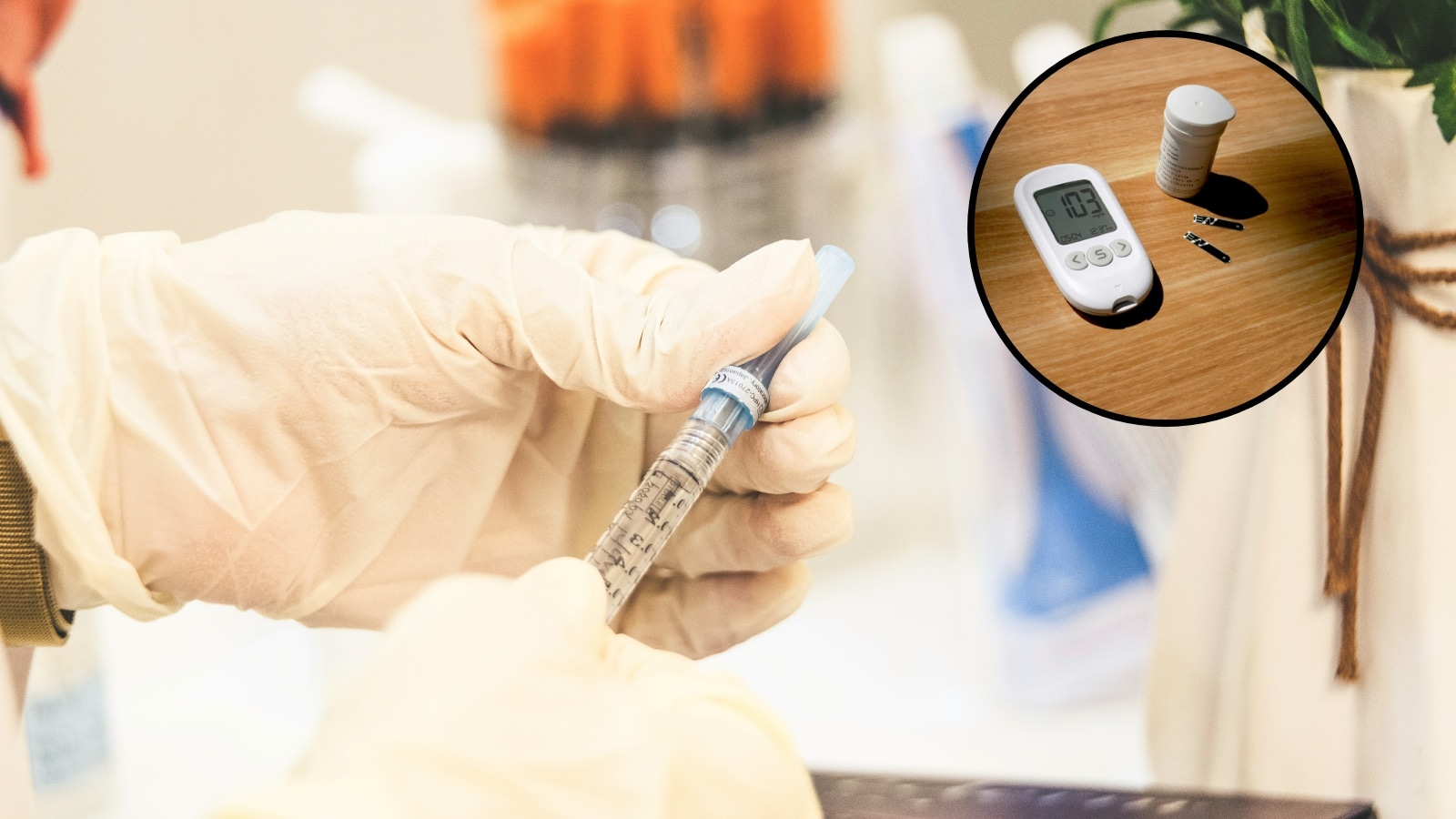
For many people living with diabetes, being prescribed steroids can feel worrying. These medications are known to raise blood sugar levels, and patients often wonder whether taking them is safe at all. According to Dr Rajiv Kovil, Head of Diabetology and weight-loss expert at Zandra Healthcare and Co-founder of the Rang De Neela Initiative, steroids can be safely used in people with diabetes when medically necessary and under proper supervision.
ARTICLE CONTINUES BELOW VIDEO
[embedded content]
When steroids become essential
Steroids are often life-saving or disease-controlling medicines and may be unavoidable in several situations. They are commonly prescribed during acute asthma exacerbations, chronic obstructive airway disease flare-ups, severe allergies, autoimmune disorders such as ulcerative colitis, certain infections, cancer therapy, and post-transplant care.
Dr Kovil explains, “Steroids can be safely used in people with diabetes when clinically necessary and under medical supervision.” He adds that short courses are generally metabolically safer, though in unavoidable situations they may be prescribed for 6 weeks to 3 months with close monitoring. Importantly, steroids should never be started, stopped, or tapered without medical guidance.
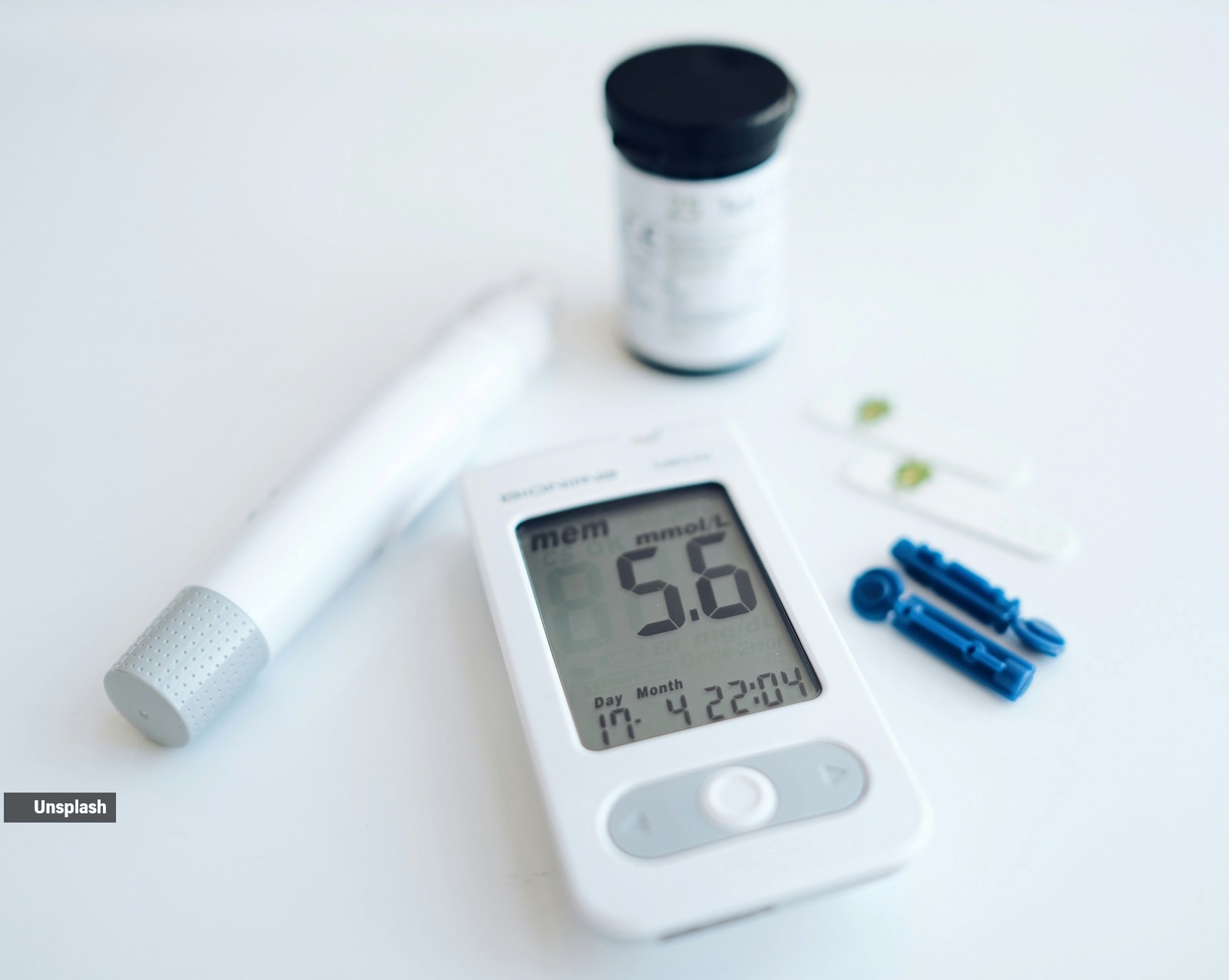 Patients with diabetes should ideally consult their diabetologist before or immediately after starting steroids (Image: Unsplash)
How steroids affect blood sugar
Steroids increase blood glucose levels by causing insulin resistance and increasing hepatic glucose production. Short-term effects often include rapid post-meal spikes, particularly with intermediate-acting steroids such as prednisolone, while long-acting steroids like dexamethasone can cause prolonged hyperglycaemia throughout the day.
Over the long term, steroid therapy may contribute to weight gain, osteoporosis, muscle weakness, Cushingoid features, and even secondary steroid-induced diabetes. The extent of glucose rise varies depending on dose, duration, timing, and an individual’s insulin reserve.
Does the type of steroid matter?
Yes, the metabolic impact differs by route of administration. Oral and injectable steroids commonly lead to significant increases in blood glucose, while inhaled steroids used for asthma or COPD generally have minimal systemic metabolic effects at standard doses, though high-dose or prolonged use can occasionally influence glucose control.
Because responses vary, patients with diabetes should monitor their glucose levels whenever steroid therapy is initiated or modified.
Story continues below this ad
Precautions diabetics should follow
Patients should ideally consult their diabetologist before or immediately after starting steroids. Blood sugar monitoring should be intensified, especially after meals, as steroid-induced hyperglycaemia is often postprandial. Some patients may temporarily require insulin therapy, even if they were previously controlled on oral medications. Adequate hydration, balanced carbohydrate intake, and avoiding excessive refined sugars are also recommended.
When to contact a doctor urgently
Patients should seek immediate medical advice if blood glucose persistently exceeds 250–300 mg/dL, or if symptoms such as excessive thirst, frequent urination, vomiting, abdominal pain, breathlessness, confusion, or severe weakness occur. Sudden low sugar levels during steroid tapering, infections, fever, swelling, severe gastritis, or inability to eat or drink properly also require prompt consultation.
As Dr Kovil notes, “The benefits often outweigh the risks when steroids are lifesaving or disease-controlling.” With careful medical supervision, close glucose monitoring, and appropriate medication adjustments, people with diabetes can safely receive steroid therapy when it is clinically necessary.
DISCLAIMER: This article is based on information from the public domain and/or the experts we spoke to. Always consult your health practitioner before starting any routine.

Leave a Reply