
4 min readHyderabadFeb 19, 2026 06:17 PM IST
Rajinikanth’s own fans did not want this film. And then they watched it for 175 days. That paradox defines Yejaman, which marked its 33rd anniversary on Wednesday.
Yejaman was not the film its director had originally planned to make. RV Udayakumar came to AVM Productions having just delivered Chinna Gounder, a Vijayakanth-led rural drama that released during Pongal in January 1992 and did well commercially. That success gave Udayakumar standing with producers. He brought AVM a new script titled Jilla Collector, with Rajinikanth in mind for the lead. Producer M Saravanan felt the budget it required was too high. They agreed on a different story. That story became Yejaman, Rajinikanth’s 141st film and his eighth production with AVM.
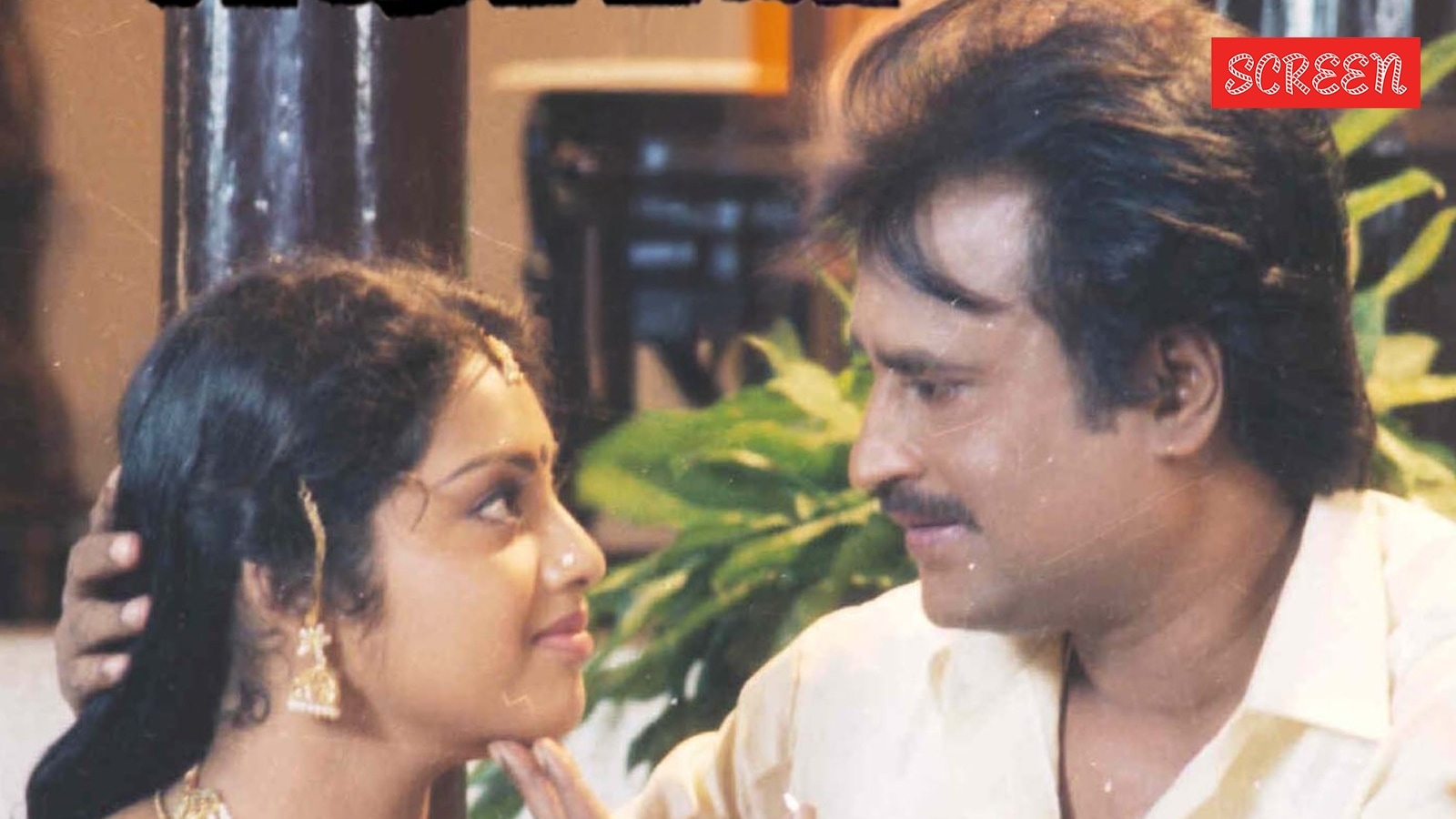
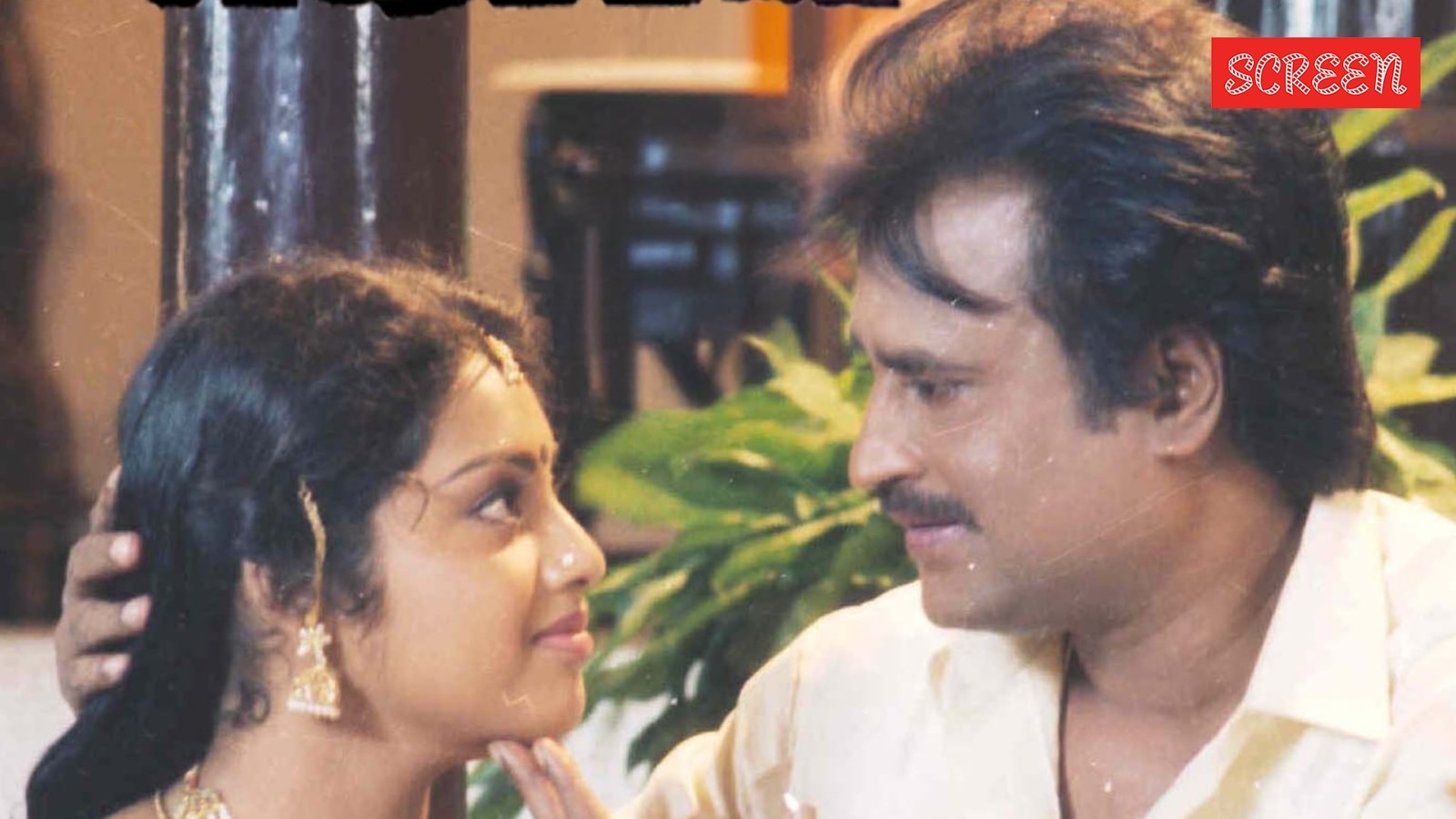
The casting was settled only after some resistance. Rajinikanth did not want Meena as his leading lady. She had appeared as a child artist in his 1984 film Anbulla Rajinikanth, and he was not confident his fans would accept the pairing. Meena pushed back and held her position. Rajinikanth agreed. He also raised objections to Napoleon being cast as the antagonist Vallavarayan, arguing the actor was too young for the role. Udayakumar refused to budge on either decision. Napoleon brought a coiled, unpredictable quality to the part that a more conventionally cast villain may not have.
The character Rajinikanth plays, Kandhavelu Vaanavarayan, a feudal chieftain of a village near Pollachi, operates differently from the heroes his core audience had come to expect. His standing in the community is not physical. It comes from a long record of sound, practical judgment. The film makes this clear early. When election season arrives, Vaanavarayan tells the villagers to accept money from both competing candidates, use it for community needs, and vote for neither. It is not a grand speech. It is the kind of advice that only someone who genuinely understands how power works would give.
Yejaman then takes a darker turn. Vaanavarayan’s wife, Vaitheeswari, is secretly poisoned by Vallavarayan and rendered unable to conceive. Instead of confiding in her husband, she hides the truth, feigns a pregnancy, and ultimately takes her own life, but not before extracting a promise from Vaanavarayan that he will marry Ponni after her death. Rajinikanth plays these scenes with remarkable restraint, eschewing anger and theatrics to inhabit the character’s grief without deflection. It was precisely this quiet intensity that unsettled a section of his fanbase. They had arrived expecting a different kind of film, and this was not it.
Ilaiyaraaja composed the soundtrack, and it is among the more carefully constructed work he produced for a mainstream Tamil film in that period. Udayakumar wrote the lyrics for most songs, an uncommon arrangement for a production of this scale, with veteran lyricist Vaali brought in to refine them. The songs were composed in Carnatic ragas: Aalappol Velappol in Sankarabharanam, Nilave Mugam Kaattu and Oru Naalum in Sindhubhairavi, and Yajaman Kaladi in Madhyamavati. The music outlasted the film’s theatrical run and remains among Ilaiyaraaja’s more frequently revisited work from the early 1990s.
The letter that turned it around
Story continues below this ad
Yejaman’s turnaround at the box office had an unlikely origin. A woman named Thilagavathi wrote a personal review of Yejaman, not for any publication, just a letter that set down what the film had meant to her. Producer M Saravanan came across it and used it as promotional material. Yejaman then reached a different audience from the one that turned up in its initial days. Families and general viewers, moved by Thilagavathi’s honest response to the film, flocked to theatres. The movie built from there, steadily, and ran for 175 days.
Yejaman, alongside Chinna Gounder, is credited with establishing the village chieftain as a distinct and recurring figure in Tamil cinema, a protagonist whose authority rests on moral standing rather than physical force. The archetype appeared across Tamil films through the 1990s and beyond. In 2014, director Rajmohan made a film titled Vanavarayan Vallavarayan, the name taken directly from the characters played by Rajinikanth and Napoleon in Yejaman.

Leave a Reply