

Shark Tank India’s Vineeta Singh recently expressed concern about Mumbai’s deteriorating air quality, noting that it is alarming to see young and old going about their day amid air pollution. “Mumbai AQI has crossed 160 now in the mornings. When I went out today, I saw that there were little school kids who were standing at bus stops, old people walking, my own son’s gone for a school picnic, and when people workout, they are doubling their breathing per minute and your exposure is much higher…how can we wait for it to cross 200?” she highlighted in a video post on Instagram.
She continued, “Construction sites can be paused for one or two months or at least have strict dust and pollution control measures, just like China and Korea have done to dramatically reduce their pollution or cloud seeding Mumbai humidity…what is the world that we are going to leave our children with…”
She also cited an ICMR study to suggest that 1 in 9 Indians is at risk of cancer in their lifetime.
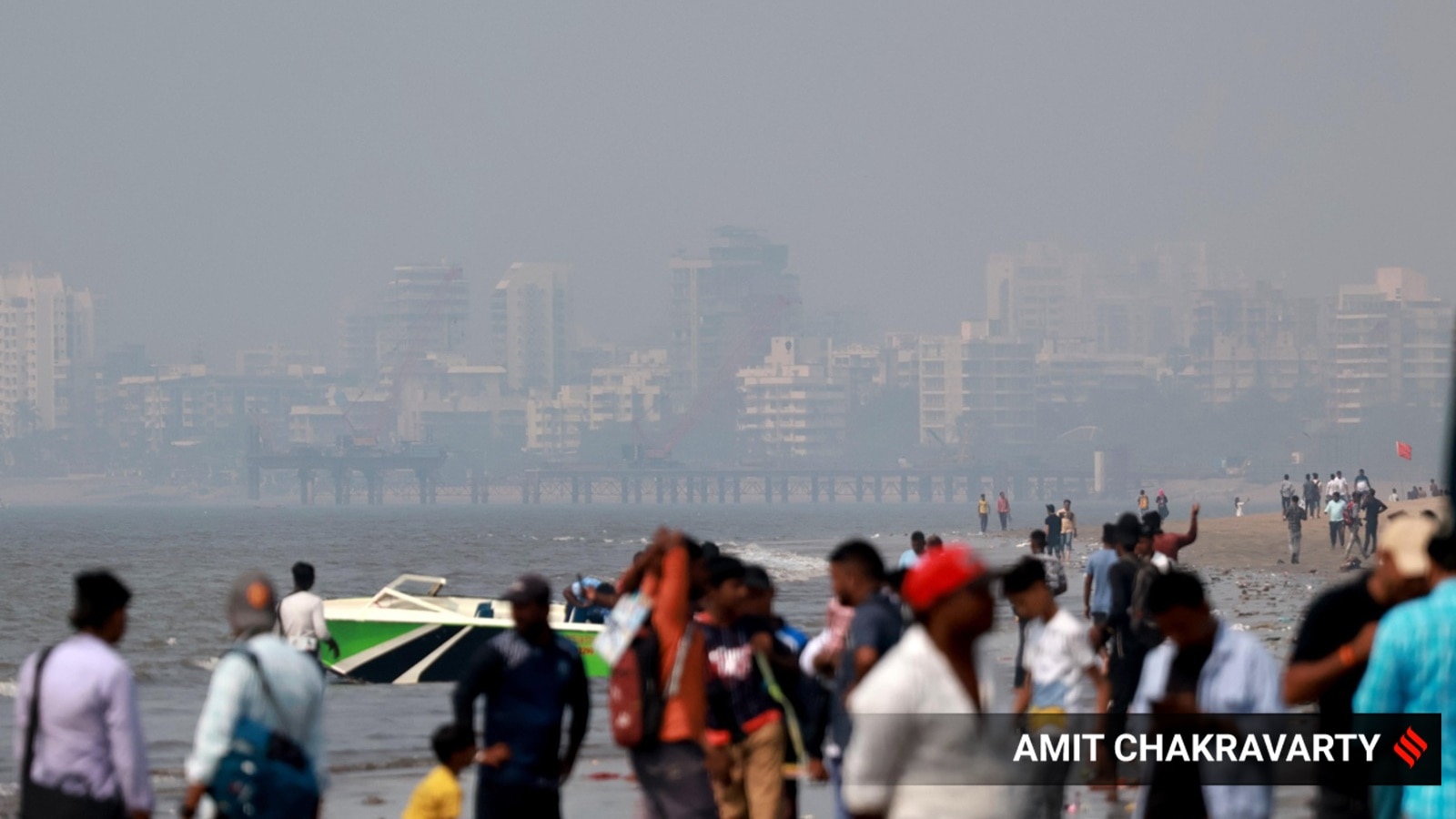 Air pollution is rising in Mumbai (Express Photo by Amit Chakravarty)
Dr Manas Mengar, a consultant pulmonologist at KIMS Hospitals, Thane, said that an AQI above 150 falls within the “unhealthy” range, particularly for vulnerable groups. “At this level, even healthy individuals may experience throat irritation, coughing, eye discomfort, or shortness of breath. Children, the elderly, pregnant women, and those with asthma or heart disease face greater risks. Mornings are particularly problematic due to a mix of vehicle emissions, construction dust, and stagnant air that keeps pollutants from dispersing quickly.”
According to Dr Mengar, repeated exposure over weeks and months can lead to more than just temporary symptoms; it increases the long-term risk of chronic respiratory illness, reduced lung function in children, and heart disease.
Is outdoor activity, like school picnics or workouts, risky when the AQI is high?
Yes, because physical activity raises the rate and depth of breathing. “When someone exercises, they breathe in more air per minute, and more pollutants come with it. This means pollutants can reach deeper into the lungs. Children are especially vulnerable since their lungs are still developing and they often spend more time outdoors. On days when the AQI exceeds 150, strenuous outdoor activities should ideally be limited or rescheduled to times when pollution levels are lower. Schools and parents should check daily AQI updates and plan accordingly.”
Story continues below this ad
How serious is the long-term health impact of poor air quality, including cancer risk?
Air pollution is not just about coughs and colds. “Fine particulate matter (PM2.5) can reach the bloodstream and cause inflammation throughout the body. Over time, this is linked to chronic obstructive pulmonary disease (COPD), heart disease, stroke, and lung cancer. Cancer risk is influenced by many factors, but air pollution is now recognised as a significant contributor. Reducing exposure through policy changes and personal precautions is crucial to protect both current and future generations,” said Dr Mengar.
What to note?
Dr Mengar said that monitor AQI daily, limit outdoor exposure during peak pollution hours, wear well-fitted N95 masks in high-pollution areas, and ensure that indoor ventilation is balanced with air purification when possible. “Small personal actions can help, but lasting change ultimately requires strong community and policy efforts,” said Dr Mengar.
DISCLAIMER: This article is based on information from the public domain and/or the experts we spoke to. Always consult your health practitioner before starting any routine.

Leave a Reply