
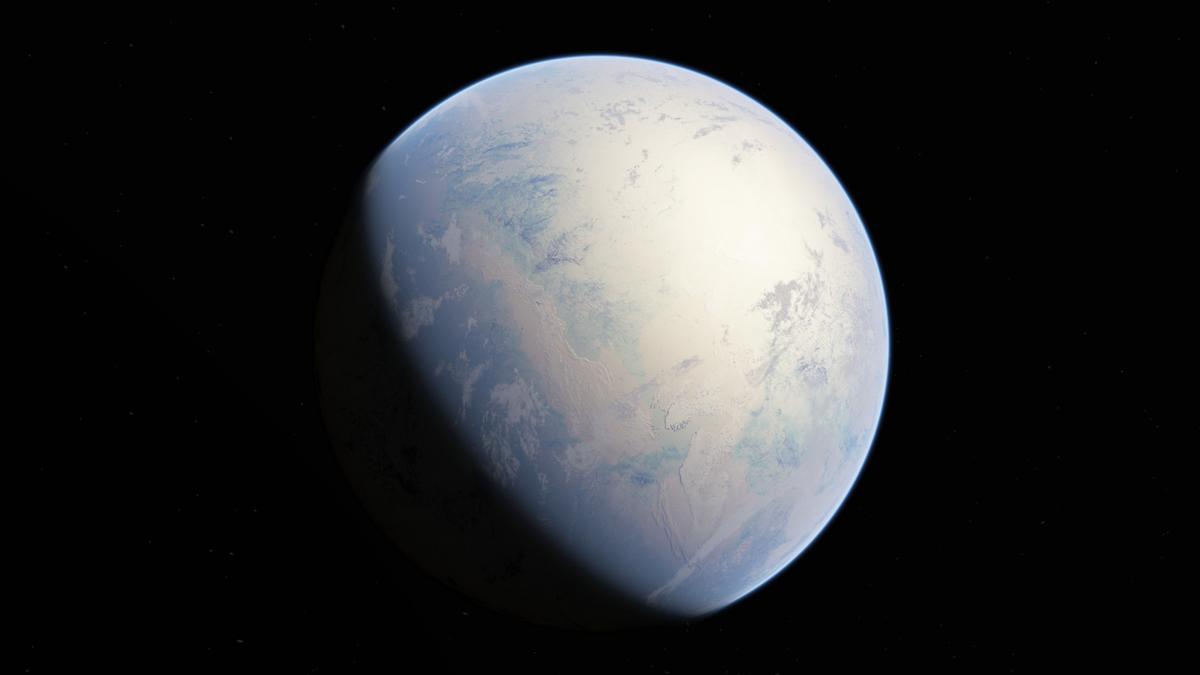
A: In the Cryogenian Period (720-635 million years ago), some scientists believe the earth went through through episodes when ice covered even the tropical latitudes, and the world was called ‘snowball earth’. If the oceans were mostly frozen, it was also believed that the usual interactions between the ocean, atmosphere, sunlight, and climate patterns would have been greatly weakened.
A new study in Earth and Planetary Science Letters has reported evidence that shorter climate cycles still operated during at least one phase of this snowball earth. The authors analysed 2,640 thin layers of sediment in the Port Askaig Formation on the Garvellach Islands in Scotland. They argued that the layers are annual varves, meaning each year produced a light, coarser layer from the runoff water, followed by a dark, finer layer when the melting stopped.
Then they measured how thick each yearly couplet was. This thickness record revealed climate cycles matching well-known solar cycles: roughly 9-11 years (the sunspot cycle) and about 60-150 years (which is the slower Gleissberg cycle that periodically suppresses sunspots). The data also showed a variability of two to five years, similar to modern climate swings like the El Nino.
The team also simulated the climate of snowball earth with different amounts of sea ice and again found signs of a two to three year variability.
In sum, even when the earth was a giant snow-covered ball, the climate may have ‘pulsed’ on timescales of years to centuries instead of staying still.

Leave a Reply