
3 min readNew DelhiFeb 8, 2026 01:55 PM IST
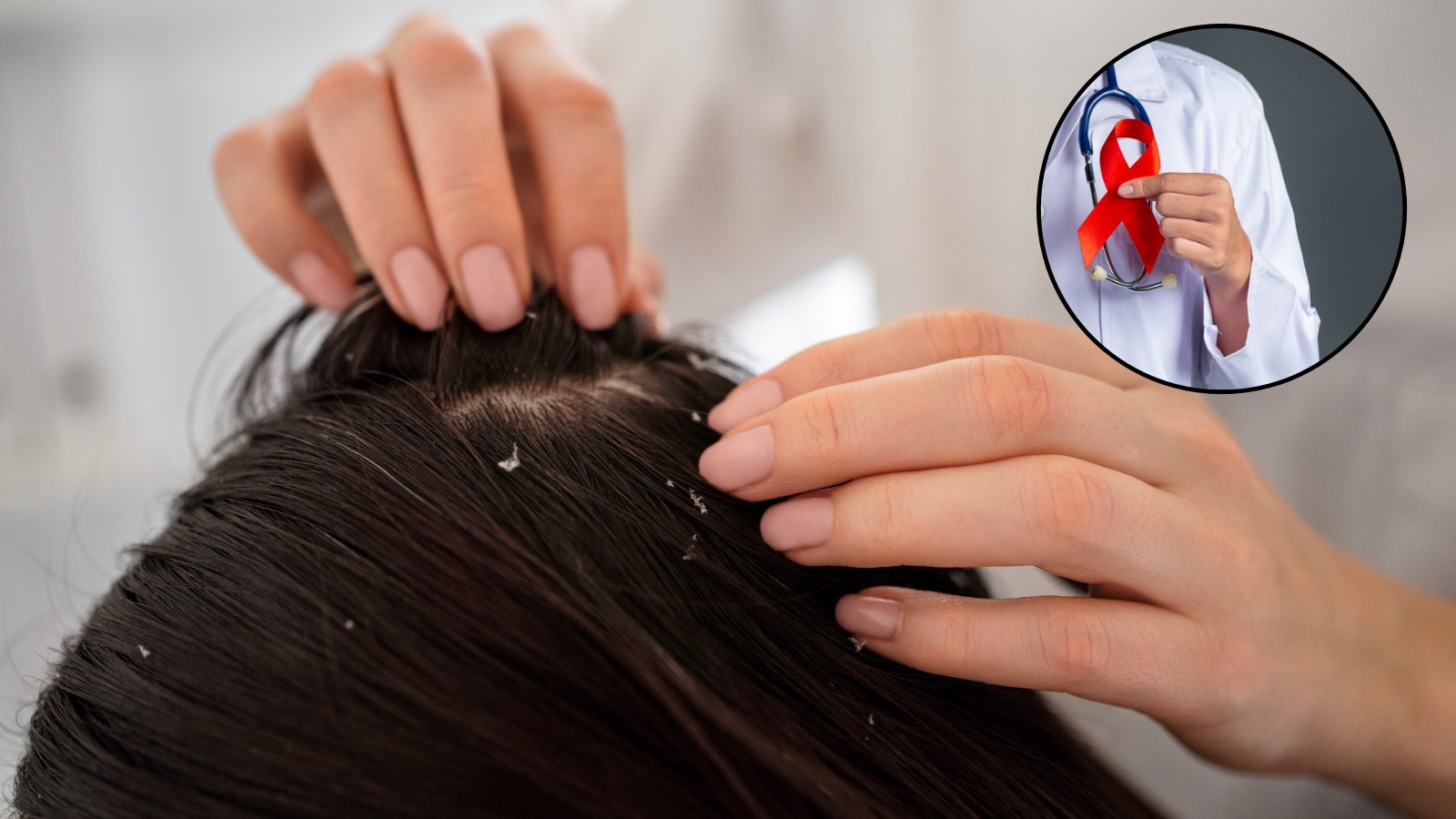
A recent reel by creator Dr Fahad Imtiaz on Instagram has raised eyebrows. In the video, he shared an experience from his clinic: “There was a patient who had good skin, but we noticed some dandruff on his scalp. We gave him a ketoconazole shampoo and told him it would get better,” he said. But when the patient returned a week later, Dr Fahad noticed more worrying signs. “He had lost a lot of weight. We did an HIV test, and it came back positive. This was a case of seborrheic dermatitis — sometimes the first sign of HIV.” He added that the patient likely got HIV through a minor cut from an unsterilized blade at the barber, as “HIV is blood-to-blood.”
But can an innocent visit to the barber give you HIV/AIDS? Is dandruff an early sign? Can your flaky scalp be a sign of a deadly disease?
To verify what Dr Imtiaz claimed and seek answers to all these questions, we reached out to Dr Shivani Yadav, a dermatologist at Skin Avenue Clinic, Haryana.
Dr Yadav tells indianexpress.com, “Seborrheic dermatitis is very common and in most cases has nothing to do with HIV. People with HIV can have more severe or widespread flaking, but dandruff alone is not considered an early or definitive sign of HIV.”
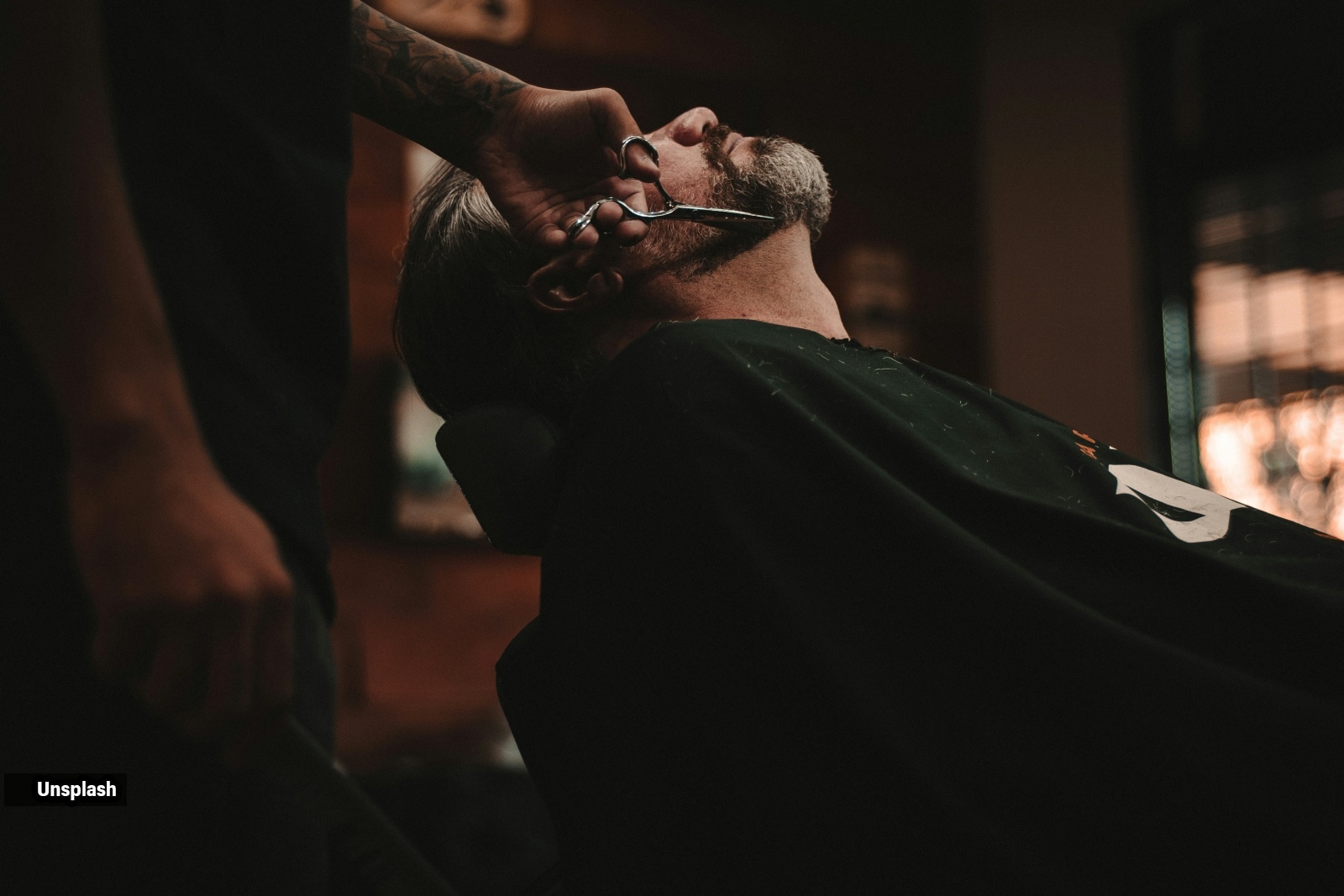 As per dermatologists, the risk of catching HIV at a barber’s shop is extremely low (Image: Unsplash)
When your dandruff indicated HIV
On how to tell the difference, the doctor clarifies that HIV-related seborrheic dermatitis tends to be more severe, “may spread beyond the scalp to the chest, back, and skin folds”, and can be difficult to control with usual treatments. But visually, it’s almost impossible to differentiate without blood tests.
But can a simple barber visit lead to this? As per the dermatologist, it’s very unlikely. “The risk is extremely low. HIV does not survive well outside the body, and a small nick from a razor is not enough to transmit it. Sterilization is important for general hygiene, but it’s not a realistic HIV risk.”
Dr Yadav further added that other skin signs can appear in early or progressing HIV, such as “persistent oral thrush, frequent herpes outbreaks, unusual fungal infections, non-healing ulcers, generalized itching, or sudden severe psoriasis.” She emphasized, “These are not diagnostic on their own, but if they occur alongside other symptoms or risk factors, it’s wise to get tested.”
Story continues below this ad
The takeaway is clear: stubborn dandruff is usually nothing to worry about. But if it is severe, widespread, and comes with other health changes, it’s a signal to consult a doctor — and only a proper HIV test can confirm infection.
DISCLAIMER: This article is based on information from the public domain and/or the experts we spoke to. Always consult your health practitioner before starting any routine.

Leave a Reply