
4 min readNew DelhiJan 30, 2026 03:57 PM IST
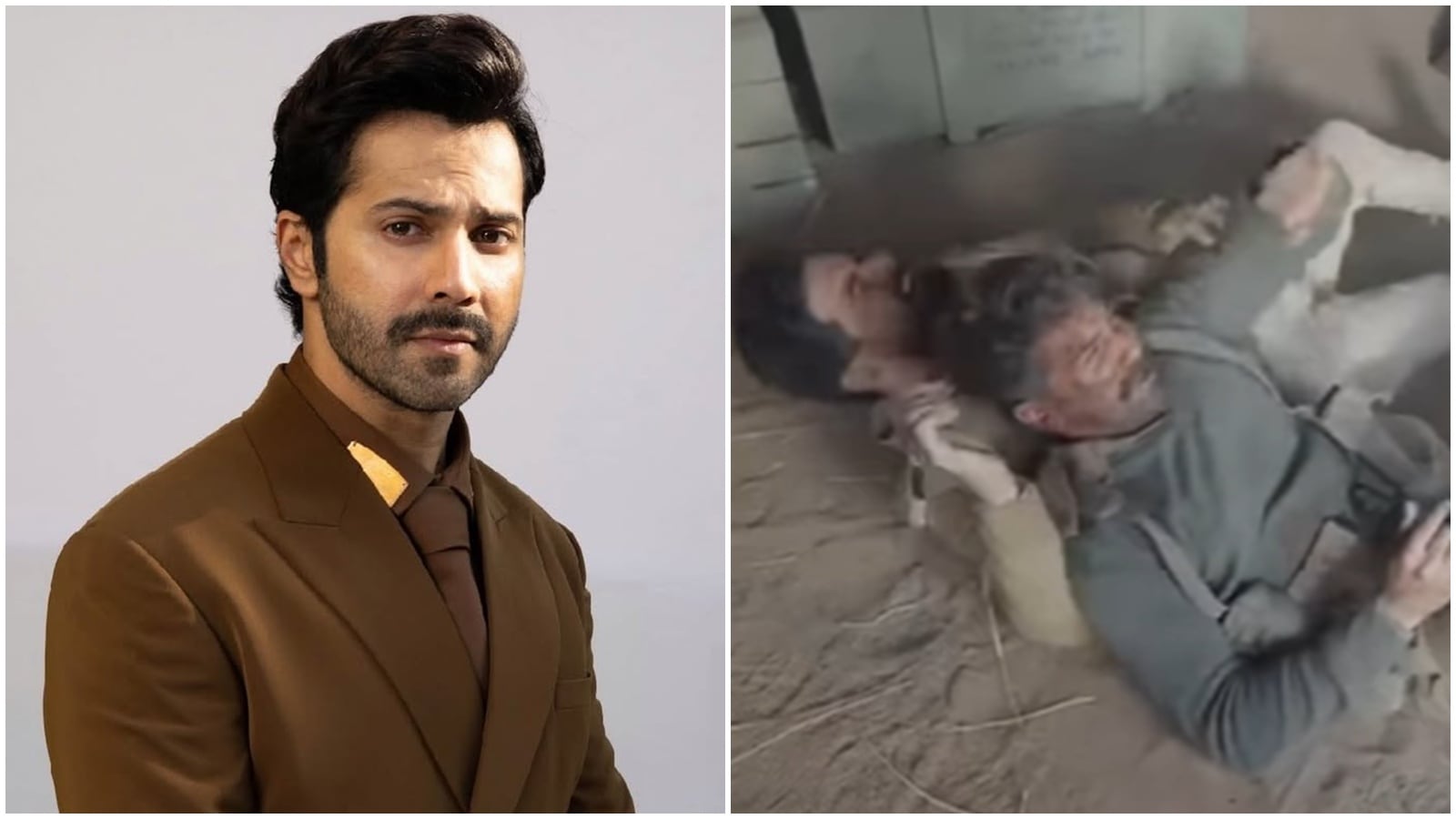
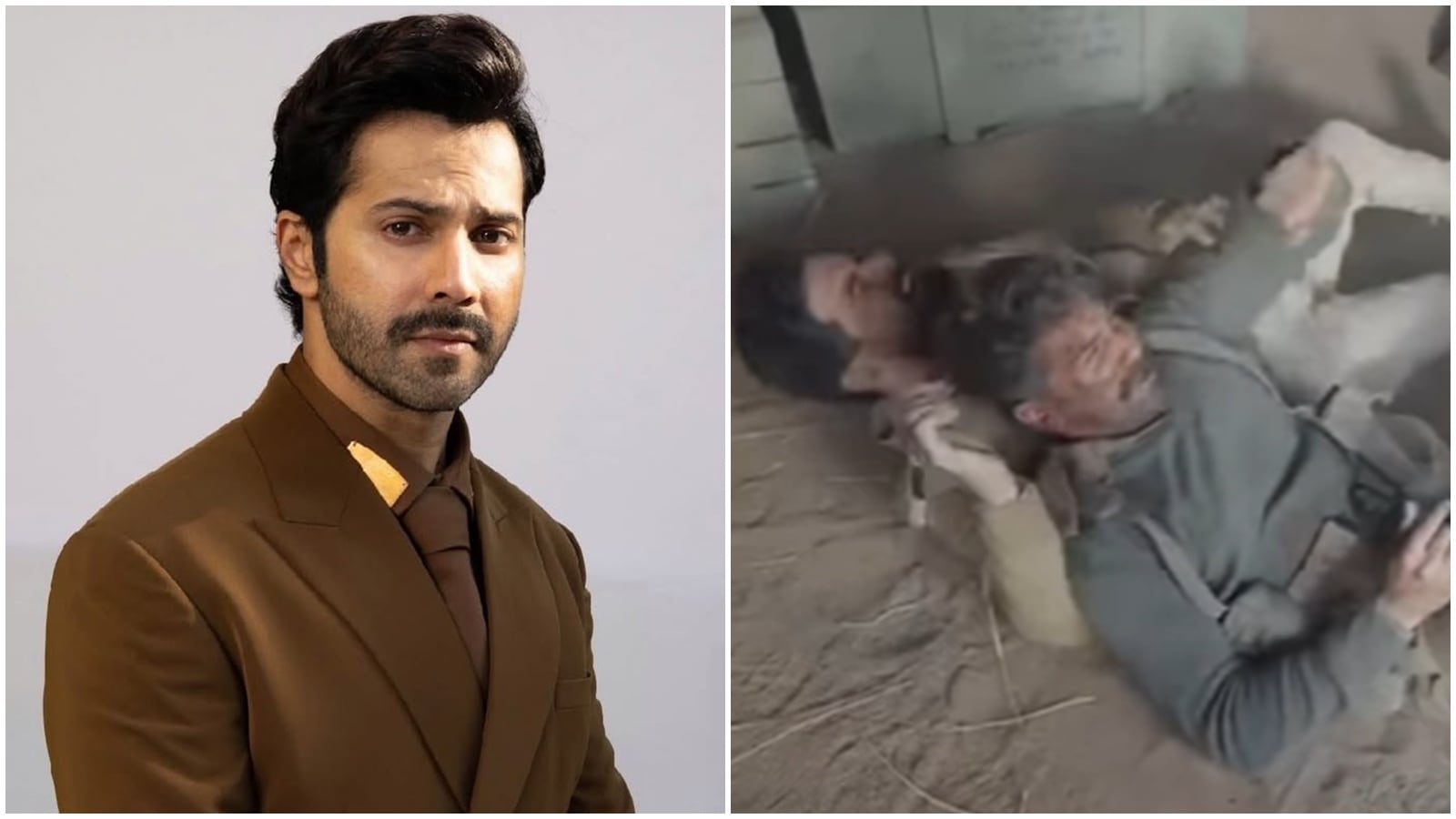
Some injuries, even when they appear minor on the surface, can cause persistent pain and prolonged recovery if not managed carefully. Tailbone injuries are a classic example. Commonly underestimated, yet notoriously uncomfortable and slow to heal. Recently, actor Varun Dhawan shared a glimpse into such an experience while filming Border 2, opening up about what he described as the most painful injury he has ever faced. In an Instagram reel caption where he is seen shooting a demanding scene for the movie, he wrote: “The worst injury I ever got on Border 2. I smashed my tailbone into a rock when I tried to avoid banging into the camera. It was the worst pain I ever felt. I sustained a hairline fracture on the tailbone, which I feel I am still healing from. Thankful to my team for helping me continue that day, I could barely walk, but we kept going. Grateful for the journey (sic).”
His account highlights that tailbone injuries can occur suddenly and that individuals often persist in severe discomfort, sometimes continuing physical activity despite limited mobility.
For everyday individuals, whether athletes, fitness enthusiasts, or people with physically demanding jobs, this raises important questions about recognising the seriousness of tailbone injuries, understanding recovery timelines, and knowing when continuing activity might do more harm than good.
But why are tailbone injuries and hairline fractures often considered ‘minor’?
Dr Raghu Nagaraj, director at Institute of Orthopaedics, Sports Medicine and Robotic Joint Replacement at Kauvery Hospitals, Bengaluru, tells indianexpress.com, “Tailbone injuries are labelled minor because they are rarely life-threatening and usually do not require surgery. However, the coccyx is a highly sensitive structure surrounded by ligaments, muscles, and nerve endings that are constantly engaged during sitting, walking, and even basic posture changes.”
He continues, “A hairline fracture or bruise in this area causes persistent pain because there is no way to completely immobilise the tailbone. Every movement places micro-stress on the injured area, which is why healing tends to be slow, and discomfort can linger for weeks or even months.”
Risks of continuing physical activity or work immediately after sustaining a tailbone injury
According to Dr Nagaraj, continuing physical activity after a tailbone injury can significantly worsen the damage. “What may begin as a bruise or hairline fracture can progress into chronic inflammation, nerve irritation, or improper healing. Persisting through pain may also alter posture and gait, leading to secondary issues such as lower back pain, hip strain, or muscle imbalance. When walking itself becomes painful, it is a clear signal that the body needs rest and medical evaluation rather than exertion.”
Proper recovery from a tailbone fracture
“Proper recovery focuses on rest, pain control, and gradual return to activity,” notes Dr Nagaraj, adding that this includes avoiding prolonged sitting, using cushioned or doughnut-shaped pillows, applying ice in the early phase, and taking prescribed anti-inflammatory medication if needed.
“Physiotherapy can help restore pelvic and lower back strength once pain subsides. Most importantly, people should listen to their bodies and avoid rushing back into strenuous activity. Adequate rest in the initial weeks is crucial to prevent chronic tailbone pain, which can otherwise persist long after the original injury has healed,” concludes the expert.
Story continues below this ad
DISCLAIMER: This article is based on information from the public domain and/or the experts we spoke to. Always consult your health practitioner before starting any routine.

Leave a Reply