
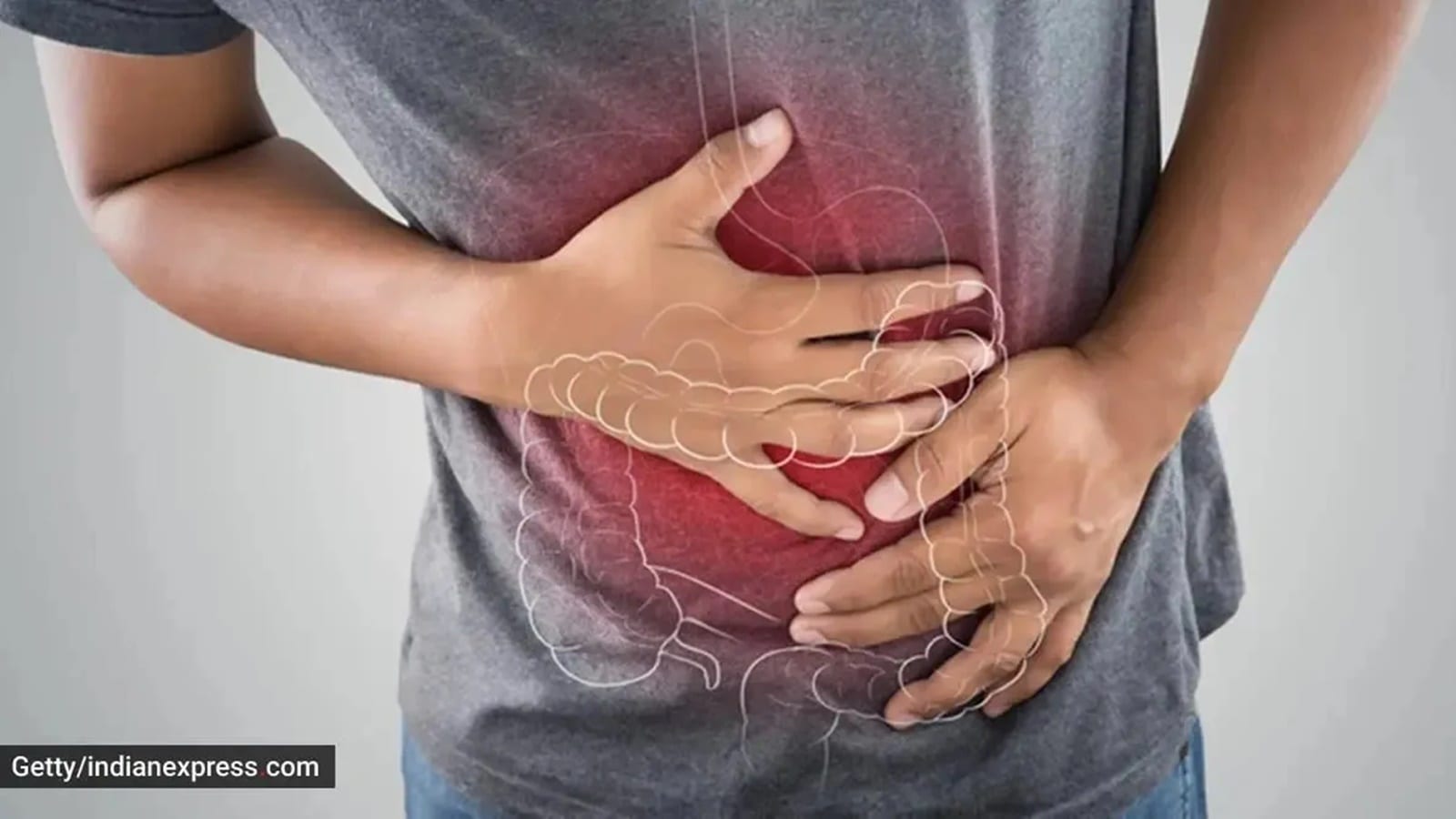
Gastroenterologist Dr Joseph Salhab recently shared that most of us underestimate the power of walking, especially after meals, to avoid digestive disorders. “I don’t want you to lie down or start scrolling on your phone. What I want you to do instead is to take a 10-minute walk. This is the most powerful thing you can do to improve your gut health,” he said on YouTube Shorts.
Adding that walking and moving helps clear excess food and stomach acid, leading to less acid reflux and heartburn, he continued: “This, in turn, means less bloating and improved digestion. Walking helps move food and old waste products along in your colon.”
To gather insight, we reached out to Dr Manish Dodmani, a consultant gastroenterologist at KIMS Hospitals, Thane, who said that when the body remains still after a meal, digestion tends to slow down. “Sitting or lying flat can allow stomach acid to move upward, increasing the chances of acid reflux and heartburn. Movement helps gravity and the digestive system work together more effectively,” said Dr Dodmani.
How does a short walk help with acid reflux and heartburn?
Walking gently after meals helps the stomach empty its contents more efficiently. “This reduces pressure inside the stomach and lowers the chances of acid flowing back into the food pipe. Even a 10-minute walk can help people feel lighter and more comfortable after eating,” concurred Dr Dodmani.
What role does walking play in reducing bloating?
Movement stimulates the intestines, helping trapped gas move along. “This reduces bloating and that heavy, stretched feeling many people experience after meals. Walking also encourages better mixing of digestive juices, which supports smoother digestion.”
 Ensure you walk (Photo: Getty Images/Thinkstock)
Can walking really help with constipation?
Story continues below this ad
Yes, regular movement helps wake up the intestines. “Walking encourages the colon to push old food and waste along, making bowel movements more regular. For people who struggle with constipation, this gentle activity can support better gut rhythm without medication,” said Dr Dodmani.
The walk does not need to be intense. A relaxed, steady pace for about 10 minutes is enough to support digestion without causing strain.
The walk should remain light. Fast walking, running, or strenuous exercise right after eating can cause discomfort. Scrolling on a phone while walking can reduce its benefits, as posture and movement quality matter.
Who can benefit the most from this habit?
People with frequent acidity, bloating, sluggish digestion, or constipation are likely to notice clear benefits. It is also useful for those with sedentary routines or irregular eating habits.
DISCLAIMER: This article is based on information from the public domain and/or the experts we spoke to. Always consult your health practitioner before starting any routine.

Leave a Reply