
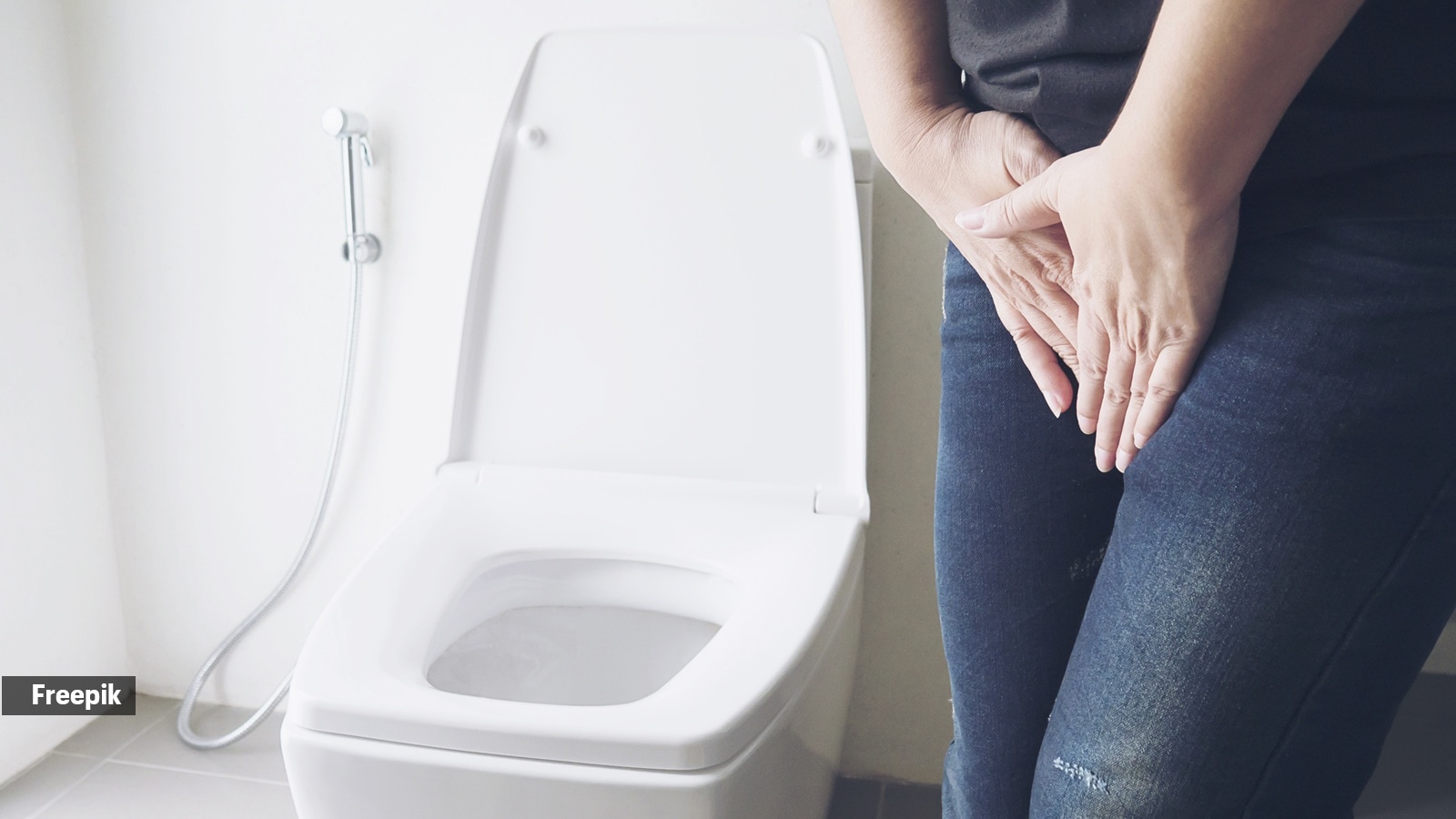
Most people have experienced a sudden, almost uncontrollable urge to pee right before an important meeting, during an argument, or in moments of intense anxiety, at least once. Addressing this common but rarely discussed issue, Dr Sandeep Bafna, urologist at Apollo Hospitals, Greams Road in Chennai, explains that the connection between stress and sudden urinary urgency is very real.
In his recent Instagram post, he states, “Sudden or urgent need to pee while you are stressed or anxious, it’s not in your head. It’s real.” He explains that “your bladder and brain share strong connections,” and that when the body is under stress or anxiety, hormonal changes can directly affect bladder behaviour, intensifying the urge to urinate.
 Dr Bafna also highlights that recognising this mind-body link is key to managing the problem rather than feeling powerless or alarmed by it. “The first important thing is to stay calm, drink sips of water, do meditation, yoga and deep breathing exercises can help you reset your bladder cycle and can help you a long way to control your bladder. So next time it happens to you, it’s not imagination, it’s science (sic).”
Story continues below this ad
How exactly do stress hormones interact with the bladder?
Dr Sreeharsha Harinatha, director and lead consultant – Urology, Uro-Oncology, Robotic Surgery and Renal Transplant at KIMS Hospitals, Bengaluru, tells indianexpress.com, “When a person is stressed or anxious, the body releases stress hormones like adrenaline and cortisol. These hormones activate the fight-or-flight response, which increases nerve sensitivity and muscle activity throughout the body, including the bladder. As a result, the bladder muscle may contract more readily, even when it is not full, creating a sudden urge to urinate.”
Some individuals are more sensitive to this response due to heightened nervous system reactivity, previous episodes of bladder irritation, or underlying anxiety disorders. “People who already have a sensitive bladder or poor stress regulation tend to experience stronger and more frequent urinary urgency during emotional stress,” mentions the doctor.
Differentiating between stress-induced urinary urgency and medical conditions like overactive bladder or urinary tract infections
Stress-induced urinary urgency is typically situational. It appears during periods of anxiety, emotional stress, or panic and often settles once the stressor is removed or the person calms down. There is usually no pain, burning sensation, fever, or change in urine colour.
Story continues below this ad
In contrast, Dr Harinatha states, urinary tract infections often present with burning while urinating, foul-smelling or cloudy urine, lower abdominal pain, and sometimes fever. Overactive bladder is characterised by persistent urgency, frequent urination throughout the day and night, and occasional leakage, even in the absence of stress.
“If urinary urgency is frequent, occurs during sleep, or is accompanied by pain or discomfort, a medical evaluation is important to rule out underlying conditions,” suggests Dr Harinatha.
Long-term lifestyle changes or bladder-training techniques for people who frequently experience stress-related urges to urinate
Managing stress is central to reducing stress-related urinary urgency. Dr Harinatha explains, “Techniques such as regular physical activity, deep breathing exercises, yoga, and mindfulness help calm the nervous system and reduce bladder overactivity. Limiting bladder irritants like caffeine, alcohol, and spicy foods can also make a noticeable difference.”
Story continues below this ad
“Bladder training is another effective strategy,” mentions Dr Harinatha, adding that this involves gradually increasing the time between bathroom visits to retrain the bladder to hold urine for longer periods. Pelvic floor exercises strengthen the muscles that control urination and improve bladder control.
“Maintaining regular sleep patterns, staying well hydrated without overconsumption, and seeking psychological support when anxiety is persistent can significantly improve symptoms over time,” concludes the expert.
DISCLAIMER: This article is based on information from the public domain and/or the experts we spoke to. Always consult your health practitioner before starting any routine.

Leave a Reply