
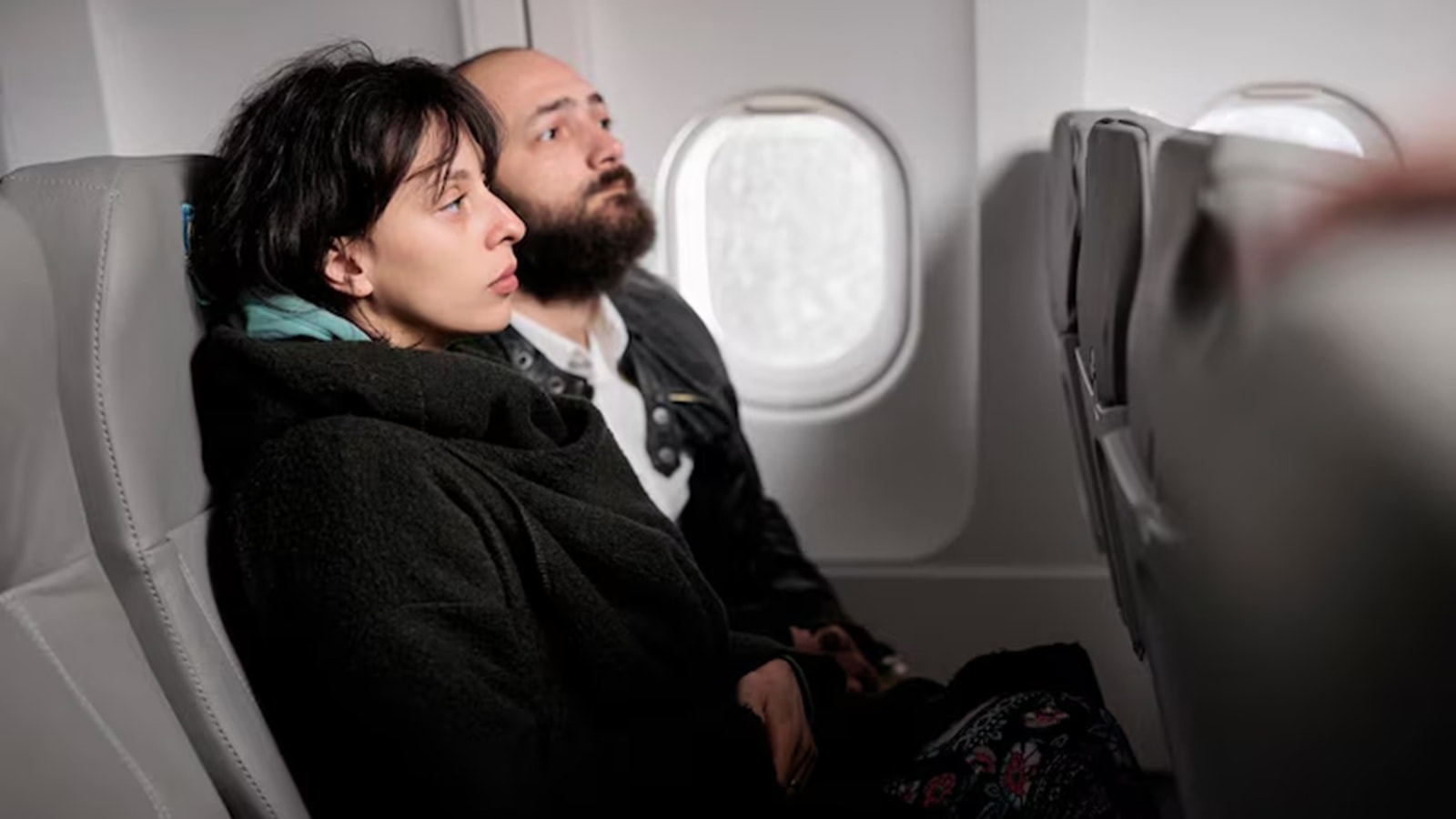
If you’ve ever felt your legs getting heavy or noticed swelling in your feet after a long flight, you’re not alone. Sitting still for hours on a plane can mess with your circulation. That’s where compression socks come in—they’re not just for medical use anymore. More and more travellers are slipping them on to stay comfortable and avoid health issues.
Dr Narander Singla, Lead Consultant – Internal Medicine at CK Birla Hospital, Delhi, explains it clearly: “Wearing compression socks during flights, especially long-haul journeys, can be highly beneficial for certain travellers.”
These special socks are made to gently squeeze your legs, helping your blood flow better and keeping your legs from feeling tired or swollen.
Story continues below this ad
Why are compression socks good during flights?
One big reason to wear compression socks on flights is to lower the risk of Deep Vein Thrombosis (DVT)—a condition where blood clots form in deep veins, usually in the legs, because of sitting too long. As Dr Singla puts it, “Compression socks help maintain proper blood flow, significantly lowering this risk.”
But that’s not all. They also reduce swelling and keep your legs feeling lighter. “They also help prevent leg and foot swelling by limiting fluid accumulation,” Dr Singla explains. “Additionally, compression socks can alleviate discomfort, reduce leg fatigue, and contribute to a more pleasant travel experience.”
Story continues below this ad
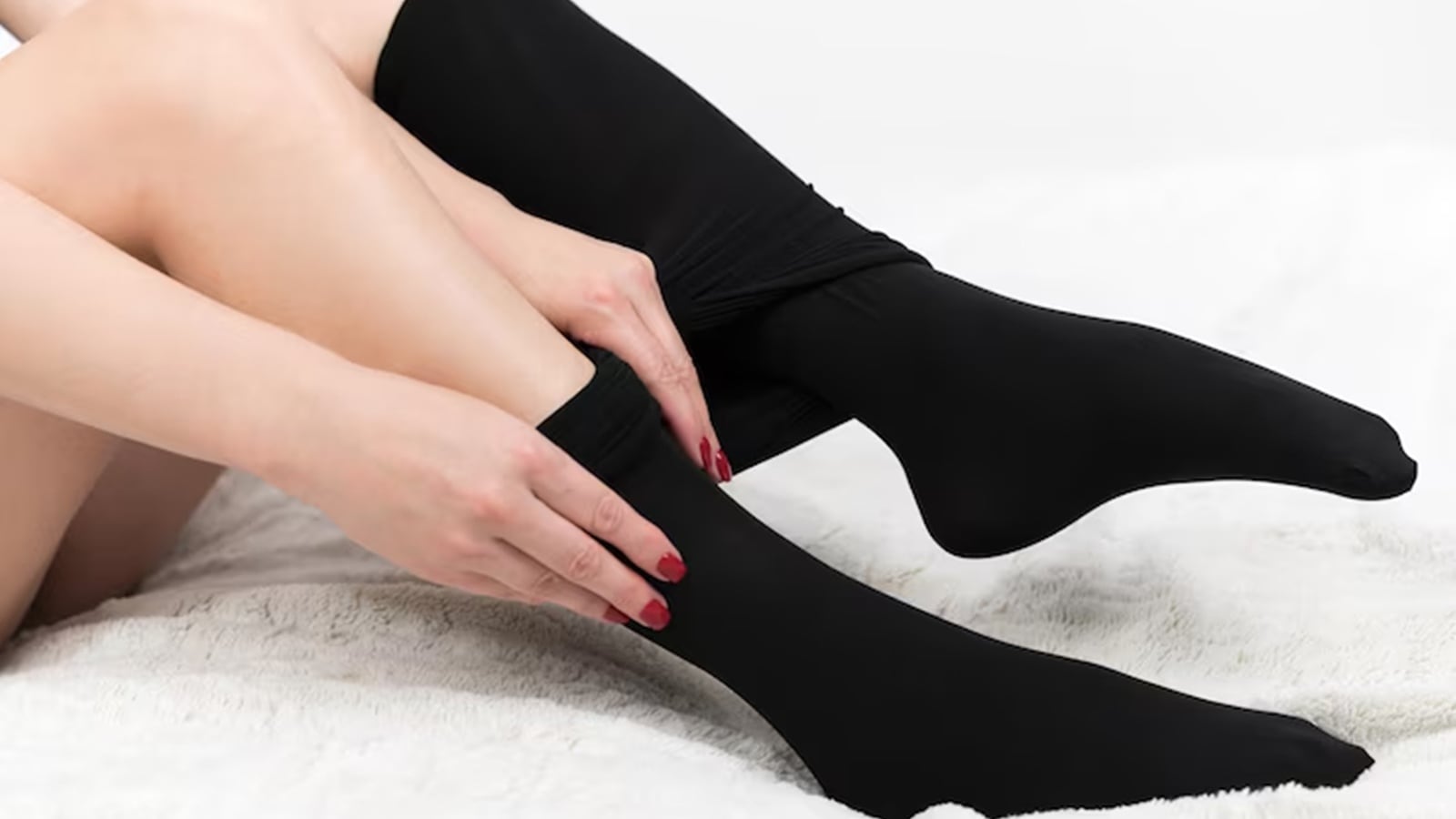 Compression socks can help keep your legs comfortable and lower the risk of blood clots while flying (Source: Freepik)
Who should use them?
While many people can benefit from compression socks, some might need them more than others.
“This includes people at higher risk of DVT, such as those with a history of blood clots, recent surgery, cancer treatments, or who are taking estrogen,” says Dr Singla.
“Older adults and pregnant women may also benefit, as they often experience circulatory issues or discomfort during flights.”
Story continues below this ad
If you have poor blood flow or certain medical conditions, it’s best to talk to a doctor first. “Individuals with severe arterial disease or poor circulation should consult a healthcare provider before using them, as they could potentially worsen these conditions,” warns Dr Singla.
Also, people with sensitive skin or existing skin problems should be careful—they might find the socks irritating.
Picking the right pair
Not all compression socks are the same. The level of pressure matters, and so does how well they fit. “Moderate compression (15–20 mmHg) is sufficient,” Dr Singla recommends for most flyers. You want them to be snug, not tight or uncomfortable.
Story continues below this ad
Make sure to follow sizing instructions carefully. “Knee-high socks are generally recommended, as thigh-high socks can roll down and create a harmful tourniquet effect,” he adds.
If you fly often or lead an active lifestyle, using compression socks regularly might help your legs feel less tired and reduce swelling.
“Athletes may also find relief from muscle soreness and experience faster recovery when using them consistently,” says Dr Singla.
To get the most out of compression socks on a flight, it’s also a good idea to stay hydrated and get up every couple of hours to stretch or walk. Small leg movements, like ankle rolls or calf raises, can help too.
Story continues below this ad
“Proper hydration helps prevent blood from thickening,” says Dr Singla. “And movement is key to encouraging blood flow.”
So next time you pack your travel essentials, consider adding a pair of compression socks. They might make your journey a lot more comfortable and safer, too.
DISCLAIMER: This article is based on information from the public domain and/or the experts we spoke to. Always consult your health practitioner before starting any routine.

Leave a Reply