

Severe air pollution levels in the country have raised significant concerns for the health and safety of adults and children alike. While our lungs continue to work overtime to filter pollutants from the air, an antioxidant-rich diet can help keep you fit and active in these trying times.
Reema Kinjalkar, a nutritionist at Urban Platter, told indianexpress.com that exposure to air pollution has been linked to oxidative stress and inflammation in human cells, which can lead to cancer and other chronic diseases. “While it is recommended to wear a high-quality mask when stepping out, one should also pay attention to their diet, which can improve immunity and help fight various infections,” she said, sharing 5 foods that can help improve immunity and beat pollution stress on the body:
Broccoli
 The first food on the list is broccoli and other cruciferous vegetables such as cauliflower, bok choy, and cabbage because they contain sulforaphane, a compound that helps eliminate benzene from the body, one of the most harmful air pollutants. Also, they are rich in vitamin C and beta carotene, which help boost immunity. Remember, the sulforaphane content in broccoli sprouts is 25 times more than that of raw broccoli florets.
Story continues below this ad
Saag
Mustard leaves, aka saag, contain various antioxidants, including vitamins A and C, which help protect cells from oxidative stress and inflammation. They are also rich in dietary fibre and prebiotics; they feed the good bacteria in the gut, which in turn help with digestion, immunity, and better nutrient absorption.
Amla
It is rich in vitamin C, which helps prevent cellular damage from environmental toxins. Vitamin C is an antioxidant that helps fight the devastating effects of pollution. It can rid our bodies of free radicals that accelerate cell ageing, as well as help us breathe more easily.
Story continues below this ad
Ramphal
It is packed with nutrients such as vitamin C and Vitamin B6 and contains minerals such as potassium, magnesium and fibre. Vitamin C content contributes to bolstering immune function. The presence of antioxidants may help protect cells from oxidative damage. And because Ramphal has a low glycemic index, it does not cause a rapid spike in blood sugar levels.
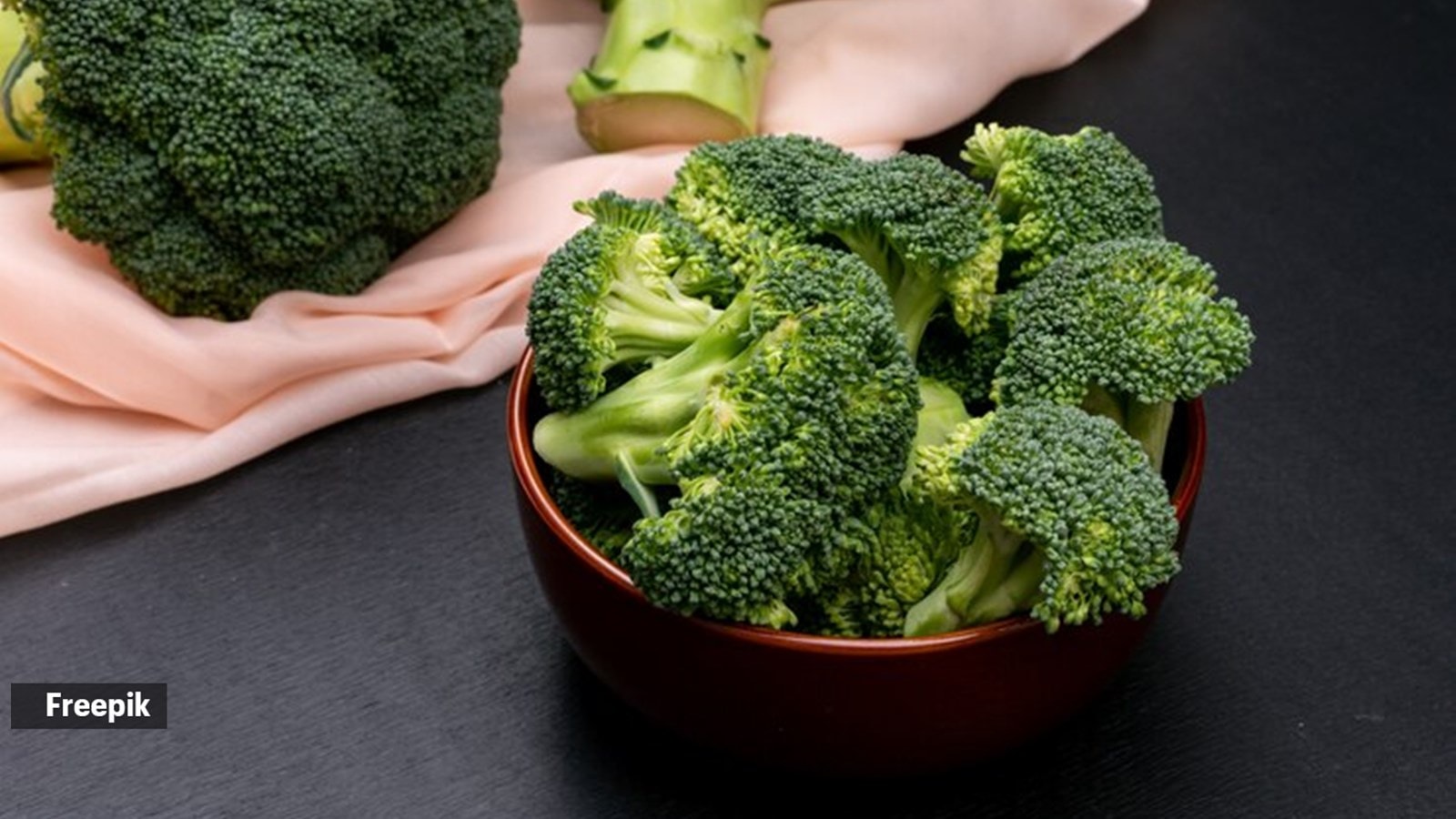 The sulforaphane content in broccoli sprouts is 25 times more than raw broccoli floret. (Source: Freepik)
Tomatoes
Tomatoes are great for lung health because they contain compounds that help slow the wear and tear on the lungs. Tomatoes also help clear respiratory airways, which can help reduce conditions like asthma. Include tomatoes in salads, soups and curries.
Ginger
Rich in potent anti-inflammatory compounds, ginger is a natural adaptogen that helps keep your adrenal system healthy and functioning well. It enhances your capability to tolerate and withstand different stressors, including air pollution. Ginger helps break down mucus that forms around the lungs and supports easier breathing. It even reduces inflammation in the airways and respiratory tracts. Include sliced or grated ginger in your morning water.
Story continues below this ad
Raw turmeric
Turmeric is a well-known antioxidant and is said to help protect the lungs from the toxic effects of pollutants. Curcumin is the active ingredient of turmeric. It is an anti-inflammatory agent and helps prevent oxidative stress, which is produced in the body through exposure to various air pollutants.
Bonus: Flax seeds
Flax seeds have high levels of phytoestrogens and omega-3 fatty acids, along with antioxidant properties that help cope with the symptoms caused by asthma and other allergic reactions. Omega-3 fatty acids have a strong smoke-reducing effect. In addition to helping fight air pollution, they also have heart-protective effects.
DISCLAIMER: This article is based on information from the public domain and/or the experts we spoke to. Always consult your health practitioner before starting any routine.

Leave a Reply